

 See My Latest Article on HelloNation
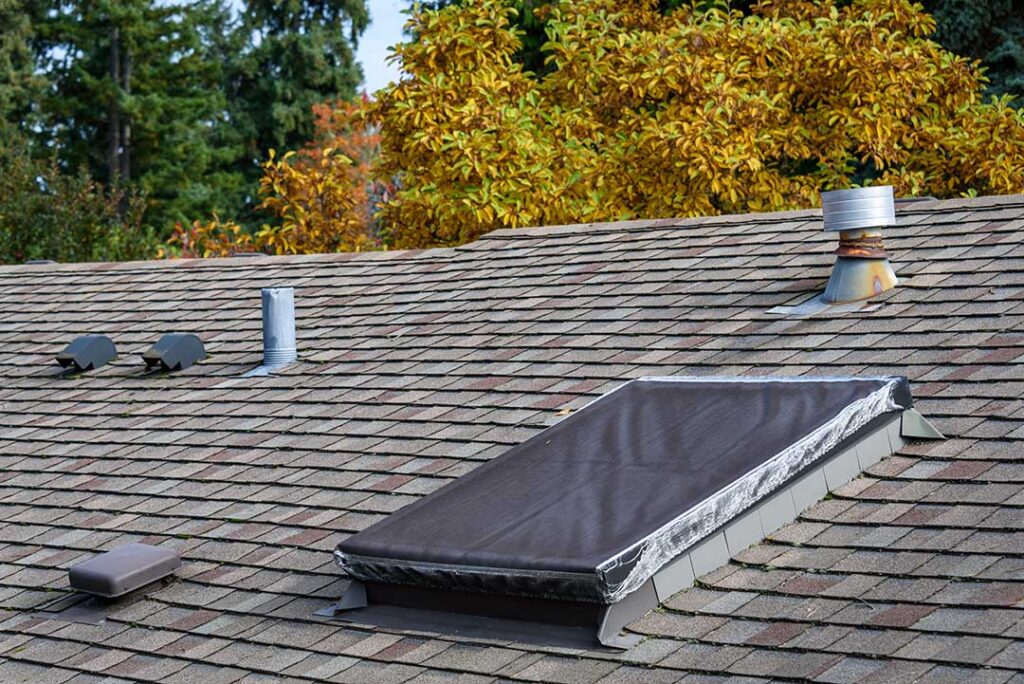
Why does sun exposure affect a roof?
Sunlight gradually changes roofing materials through heat, ultraviolet radiation, and repeated expansion and contraction. The effects are usually slow, but years of exposure can make shingles brittle, fade protective surfaces, weaken sealants, and shorten the useful life of a roof.
In Brattleboro, VT, roof surfaces may receive strong summer sun while also facing cold winters, snow, ice, and rapid temperature changes. A roof that looks sound from the ground can still be aging faster on its sunniest slopes.
The amount of damage depends on several factors:
- Roof orientation and slope
- Shade from trees or nearby structures
- Roofing material and color
- Ventilation beneath the roof surface
- Local weather patterns
- Age and previous maintenance
South- and west-facing roof sections commonly receive the most intense afternoon sun. East-facing areas may warm earlier in the day, while north-facing slopes often receive less direct sunlight but may stay damp longer because of limited drying.
How does ultraviolet light damage roofing materials?
Ultraviolet, or UV, radiation breaks down exposed surfaces over time. On asphalt shingles, UV exposure can dry out the surface oils and weaken the compounds that help hold the shingle together.
Common signs of UV-related aging include:
- Faded or uneven color
- Brittle or cracked shingle surfaces
- Loss of protective granules
- Curling or cupping along shingle edges
- Exposed fiberglass mat or underlayment
- Small areas where the shingle surface appears unusually smooth
Granules are the rough, mineral-coated particles on the face of an asphalt shingle. They help protect the shingle from sunlight and provide some resistance to weather. As granules loosen or wear away, the asphalt layer becomes more exposed to UV radiation and heat.
Some granule loss is normal during installation and early weathering. Large amounts in gutters, downspouts, or at the base of roof valleys may indicate accelerated surface wear.
Can heat from the sun shorten roof life?
Heat can contribute to roof aging, especially when the roof surface becomes much warmer than the surrounding air. Dark roofing materials absorb more solar energy, and poorly ventilated roof assemblies may retain heat for longer periods.
Repeated heating and cooling causes materials to expand and contract. Over many seasons, this movement can stress:
- Shingle seals
- Flashing joints
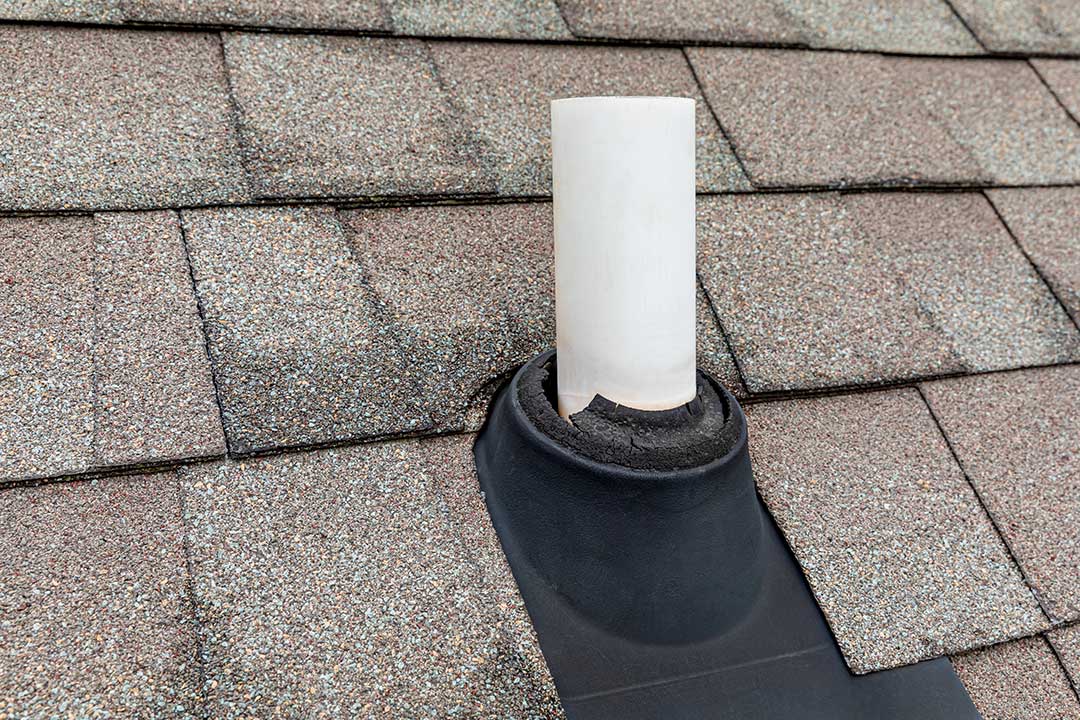
- Pipe boot materials
- Caulking and roof cement
- Membranes around roof penetrations
- Wood components beneath the roof covering
Heat does not automatically mean a roof is failing. A properly designed roof is expected to experience temperature changes. Problems are more likely when heat combines with age, poor ventilation, moisture, or materials that have already become brittle.
Attic ventilation also matters. Ventilation does not make the roof surface cool, but it can help manage heat and moisture in the attic. Excessive attic heat, especially when paired with inadequate airflow, may contribute to shingle aging and can affect insulation performance.
Why do some roof areas age faster than others?
Sun exposure is rarely uniform across an entire roof. Nearby trees, chimneys, dormers, ridgelines, and changes in roof angle can create different conditions on each slope.
A roof may show uneven aging because:
- One slope receives direct afternoon sun
- A dormer creates a hot or shaded transition
- Snow remains longer on a shaded section
- A nearby tree blocks sunlight but drops debris
- One attic area has less ventilation
- Different roof sections were installed at different times
Uneven color alone does not always mean a structural problem. It may reflect normal weathering, algae or moss growth, repairs, or differences in sunlight. However, uneven curling, cracking, or granule loss deserves closer attention.
In older homes, additions and porch roofs may have different orientations from the main roof. Their materials can therefore age at different rates even when they were installed during the same project.
Does shade protect a roof?
Shade can reduce direct UV exposure and lower surface temperatures, but constant shade is not always beneficial. A roof beneath overhanging trees may receive less sunlight while collecting leaves, needles, small branches, and moisture.
Limited drying can encourage moss or algae growth, particularly on slopes that already stay damp. Organic debris may also hold moisture against shingles and block drainage paths.
The practical goal is not to keep every roof section completely shaded or fully exposed. It is to maintain reasonable sunlight, drainage, airflow, and clearance from vegetation. Tree limbs should not rub against roofing materials, and debris should not be allowed to build up in valleys or behind roof features.
Are lighter-colored roofs less affected by sun?
Lighter-colored roofing materials generally absorb less solar energy than darker materials, so they may experience lower surface temperatures under the same conditions. This can reduce heat gain in some roof assemblies.
Color alone does not determine durability. The quality of the material, installation details, attic ventilation, roof pitch, maintenance, and exposure to wind and moisture are also important.
A light-colored roof can still deteriorate from UV radiation, and a dark roof can perform well for many years. Reflective properties may affect heat, but they do not eliminate normal weathering.
How can a homeowner spot sun-related roof damage?
The safest observations usually come from the ground, windows, or a nearby upper-level view. Walking on shingles can cause damage and creates a fall hazard, particularly when materials are brittle, wet, icy, or steeply pitched.
Look for:
- Shingles that appear curled, cracked, or distorted
- Bald-looking patches where granules are missing
- Exposed dark lines or fiberglass surfaces
- Shingles that no longer lie flat
- Deteriorated flashing or sealant around roof penetrations
- A noticeable difference between sunny and shaded slopes
- Granules accumulating in gutters
Sun-related wear may not cause an immediate leak. Water intrusion can begin later when wind lifts weakened shingles or when freeze-thaw cycles open small cracks and gaps.
What can reduce unnecessary sun-related wear?
Routine roof care cannot stop UV exposure, but it can prevent sunlight-related aging from becoming a larger problem.
Useful practices include:
- Keep gutters and drainage paths clear
- Remove accumulated leaves and branches without scraping the shingles
- Keep tree limbs from rubbing on the roof
- Check attic insulation and ventilation for moisture or heat concerns
- Observe roof slopes separately rather than judging the roof as one surface
- Pay attention to changes after major storms or prolonged heat
- Replace deteriorated flashing and damaged roof components before water enters
For homes with older roofing, regular visual checks are especially useful after winter and after periods of strong summer heat. If a roof is steep, fragile, or difficult to access safely, inspection from the ground is preferable to climbing onto it.
Sun exposure is a normal part of a roof’s environment, but its effects become more significant when combined with age, moisture, poor drainage, or inadequate ventilation. Understanding which roof sections receive the most sunlight helps explain why wear may appear unevenly and why one part of a home may need attention before another.