

 See My Latest Article on HelloNation
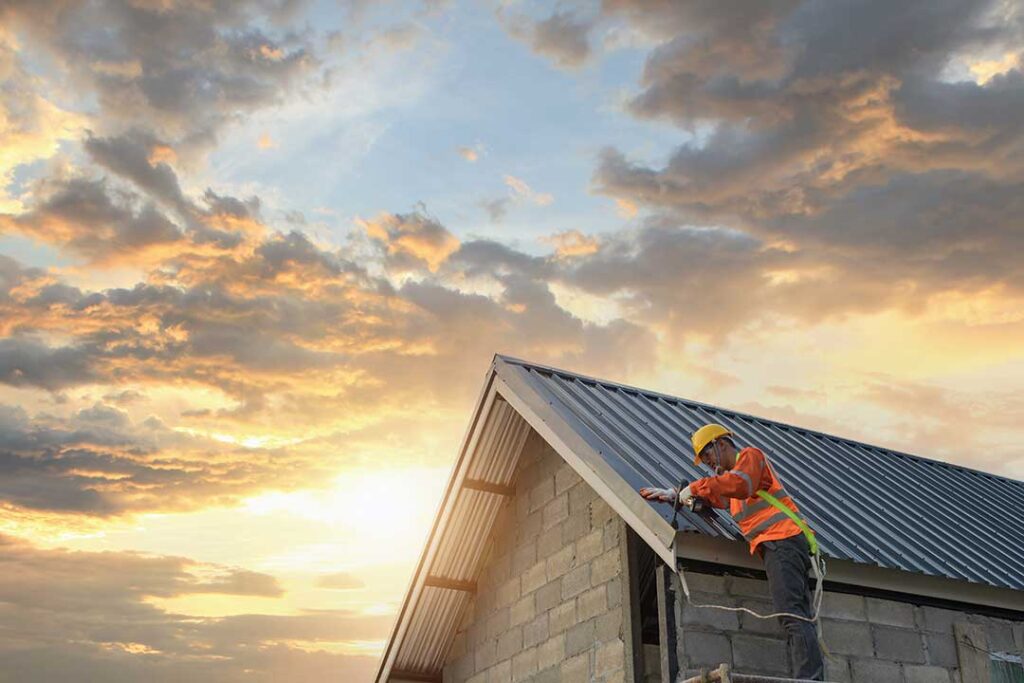
Brattleboro, VT is known for its scenic beauty, historic architecture, and diverse weather conditions. For homeowners here, maintaining your roof is essential to protecting your investment—and your family—from the seasonal extremes Vermont is famous for. Roof leaks are one of the most frequent concerns for property owners, especially when heavy snow, spring rains, and autumn winds push old and new roofing materials to their limits. If you're wondering what causes leaks in your roof, this comprehensive guide is for you.
Understanding Roof Leaks in Brattleboro's Climate
Roof leaks can feel like an unexpected emergency, emerging suddenly during a downpour or after a thaw. But most leaks result from gradual wear and tear or small, preventable issues that go unnoticed until they become major problems. In Brattleboro, the freeze-thaw cycle, high winds, and sometimes dense snowfall create unique challenges for local roofs.
Most Common Causes of Roof Leaks
1. Damaged or Missing Shingles
One of the most visible causes of roof leaks, especially after storms or strong winds, is damaged or missing shingles. The architectural charm of many Brattleboro homes often includes steep, shingled roofs. However, even the best shingles deteriorate over time. Asphalt shingles can crack, curl, or break loose, exposing the underlayment and leaving your home vulnerable to water intrusion.
- How to spot: After a windstorm, inspect your roof for shingles on the ground or irregular patches on your roof.
- Preventive tip: Schedule an annual roof inspection, especially after winter or major wind events.
2. Flashing Failures
Flashing refers to the thin metal strips installed around chimneys, vents, skylights, and along roof valleys. In Brattleboro, where chimneys are common for those wood-burning stoves, flashing is critical. Rusted, damaged, or poorly installed flashing can allow water to seep where it shouldn't.
- How to spot: Look for rust streaks, fissures, or separated edges around metal flashing.
- Preventive tip: Ensure proper installation and inspect vulnerable junctions before and after Vermont’s harshest seasons.
3. Ice Dams
During cold Brattleboro winters, ice dams can form at the roof edge, preventing melting snow from draining off. The backed-up water can find its way under shingles and into your home.
- How to spot: Large icicles or visible sheets of ice at the edge of your roof.
- Preventive tip: Insulate your attic adequately and make sure your roof has proper ventilation to keep the roof surface cold.
4. Clogged Gutters
Autumn in Brattleboro creates a picturesque backdrop, but falling leaves easily clog gutters. Blocked gutters prevent water from flowing off the roof, causing it to pool and eventually seep into your home.
- How to spot: Water spills over the sides of your gutters during rain, or you see plants growing in the gutters.
- Preventive tip: Clean your gutters each fall and spring, and consider installing gutter guards if your home is surrounded by trees.
5. Poor Attic Ventilation and Insulation
Roofs should “breathe” to prevent condensation from building up, especially during wild temperature swings common in Vermont. Poor ventilation causes heat and humidity to gather in your attic, leading to warped decking, premature shingle wear, and ultimately leaks.
- How to spot: Musty odors or visible mold in your attic, or recurring ice dams.
- Preventive tip: Consult with a roofing professional to assess your attic ventilation and insulation levels.
6. Skylight Leaks
Skylights bring natural light into your home—a welcome feature during long Vermont winters—but they can also be a weak point if not properly installed or maintained.
- How to spot: Dripping or water stains around the skylight frame after rain.
- Preventive tip: Regularly check the seals and flashing around the skylight, and clear away debris as needed.

7. Aging Roofs
Many of Brattleboro’s older homes boast original or decades-old roofing. Over time, materials break down and no longer provide a watertight seal. Age, combined with weather exposure, almost guarantees leaks that can appear anywhere.
- How to spot: Granules collecting in gutters, visible bald spots on shingles, curling, or sagging areas.
- Preventive tip: Know your roof’s expected lifespan and plan for replacement before issues escalate.
What Should You Do if You Find a Roof Leak?
If you notice water spots on your ceiling, drips, or dampness near walls, act quickly. In Brattleboro’s climate, even a small leak can turn into a major repair if left unresolved. Here are the steps you should take:
- Contain the water with buckets or towels to prevent further interior damage.
- Document the leak and any visible roof damage for insurance.
- Contact a trusted local roofing professional for a thorough inspection and repair.
- Don’t attempt major repairs yourself—roof work can be dangerous, especially on steep or icy roofs.
Preventative Maintenance: Your Best Defense
Living in Brattleboro means embracing four distinct seasons, each with its own challenges for roofs. The best way to avoid emergency roof repairs is with proactive maintenance. Here’s what you can do:
- Inspect your roof at least twice a year, ideally in spring and fall.
- Clear debris, check for algae or moss, and examine flashing and skylights.
- Keep gutters clear to ensure proper water flow.
- Consider professional routine inspections—minor issues are easier and cheaper to fix early.
Conclusion
For Brattleboro residents, a dependable roof is key to weathering Vermont’s seasons in comfort and safety. Understanding the most common causes of roof leaks helps you spot issues early and address them before they lead to costly repairs. By staying vigilant and investing in regular maintenance, you protect not only your home, but your peace of mind—no matter what the weather brings.