
 See My Latest Article on HelloNation
How Can Tree Limbs Damage Your Roof?
Tree limbs that overhang or touch a home’s roof can cause several types of damage, often gradually and sometimes even overnight during severe weather. For Brattleboro, VT, where mature trees line many residential streets and yards, this is a frequent concern—especially with the mix of snowy winters, autumn winds, and summer storms.
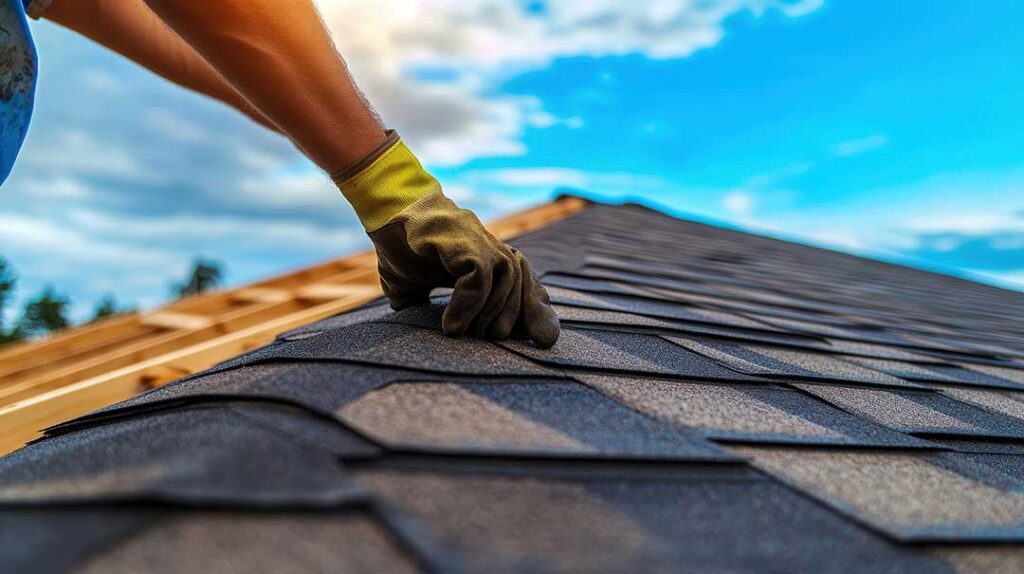
Branches that rest or sway against roofing materials can wear down shingles, scrape off protective granules, and even crack or puncture roofing surfaces. In heavy winds or snow, entire limbs may break and fall, risking more sudden and serious roof compromise.
What Problems Are Most Common for Local Roofs?
For residents in Brattleboro, common roof issues from nearby trees include shingle wear, water intrusion, and gutter blockages.
- Over time, even small twigs rubbing against shingles can shorten their lifespan.
- Leaves and needles falling from branches often collect on roofs and in gutters, increasing the risk of water pooling under snowmelt or heavy rain.
- Larger limbs may break under snow or ice loads, potentially puncturing the roof deck.
Roofs under dense tree cover may also have more persistent moss and algae growth, since shady, damp conditions help these organisms flourish.
Are Roofs in Heavily Treed Neighborhoods at Greater Risk?
Roofs in parts of the city with abundant mature trees face an elevated risk of damage compared to open, sun-exposed homes.
Local homes surrounded by maples, oaks, and pines—common species in area neighborhoods—experience shade for much of the year. That shade slows the drying process after rain or snow, making it easier for organic buildup to trap moisture and for moss to take root.
Additionally, during spring and fall, pollen, seeds, and leaves add to debris on rooftops and in gutters, increasing maintenance needs.
How Do Seasonal Changes Affect Risks From Tree Limbs?
Each season in Brattleboro brings different risks when it comes to the impact of nearby tree limbs on roofing.
- Winter: Heavy, wet snow and ice can weigh down limbs, sometimes causing them to break or scrape along the roof. Freeze-thaw cycles may also jar weak branches loose.
- Spring: High winds and saturated soil from melting snow can topple whole limbs or even trees, creating sudden hazards.
- Summer: Strong thunderstorms, occasionally accompanied by hail, may break branches or drop debris onto roofs.
- Autumn: Falling leaves can quickly clog gutters, and accumulations on roofing surfaces may hold moisture against shingles.
Residents should be especially vigilant about roof checks after major storms and during peak leaf fall.
Can Small Branches Cause Significant Problems?
Even relatively thin branches and twigs can cause unexpected trouble if left unaddressed.
Small limbs that rest on the roof may not look harmful but can act like sandpaper when moved by breezes, abrading shingle surfaces until their protective layer wears away. Over time, this exposes underlying materials to water, ice, and UV damage.
Accumulated smaller debris often forms dams in gutters, increases the likelihood of water backing up under shingles, and contributes to roof leaks if unnoticed over several months.
Does Trimming Trees Reduce These Risks?
Regularly trimming back overhanging limbs does prevent many of the most common issues, especially for homes where tree branches nearly touch or rest above the roof.
Guidelines recommend keeping tree limbs at least several feet away from rooftops. This reduces the likelihood of direct contact during wind, lessens shade and debris accumulation, and allows better airflow to dry the roof surface after precipitation.
For safety, substantial trimming involving large limbs or tall trees should follow state and local safety codes, particularly where electrical lines are nearby.
What Are Signs That Tree Limbs Are Impacting a Roof?
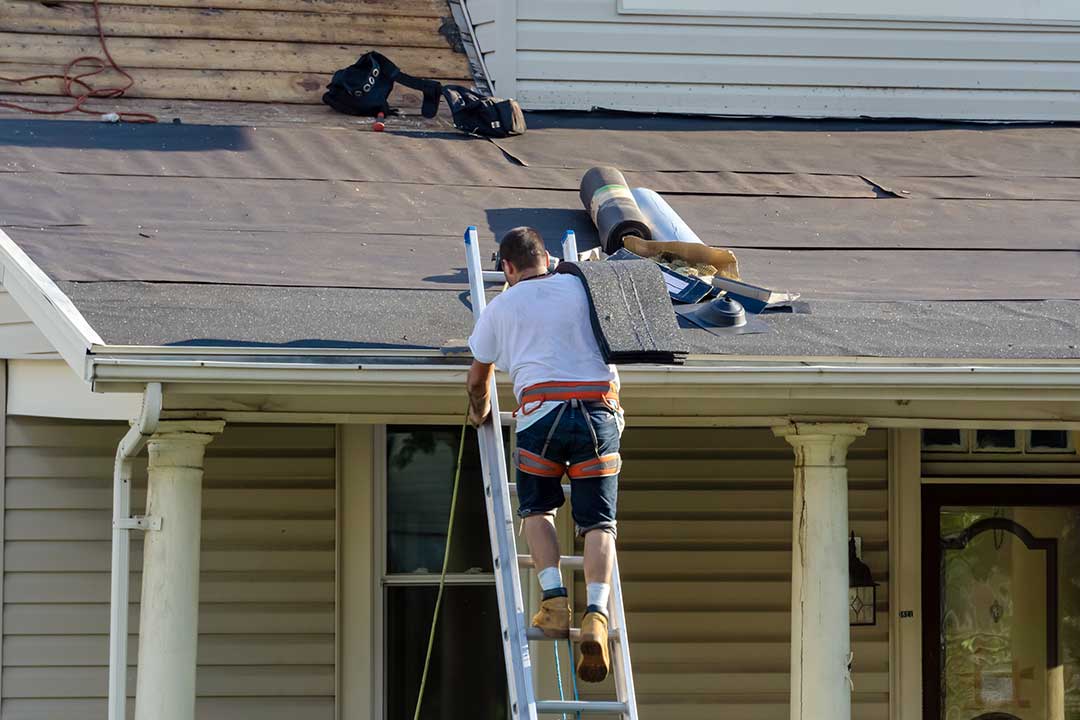
There are several signs local residents can watch for that suggest tree limbs are causing or contributing to roofing issues:
- Visible scrapes, grooves, or worn patches on shingles below overhanging branches
- Clusters of leaves, twigs, or seeds accumulating in "valleys" or gutters on the roof
- Moss, lichen, or algae growing in shaded sections, especially near tree-lined edges
- Water stains or leaks developing indoors, particularly after storms with high wind or after rapid snowmelt
Regular roof inspections—especially after storms or during autumn leaf drop—can catch these signs early before more serious issues develop.
Do Local Regulations Affect Tree and Roof Maintenance?
Local regulations related to tree trimming or removal often apply when trees are near property lines, historic districts, or public right-of-ways.
For most single-family homes, property owners are responsible for maintaining trees on their land—including ensuring that branches do not threaten neighboring houses or public power lines. In some cases, city approval may be needed for removal of large or historic trees, especially if they are close to roadways or protected areas.
Checking with Brattleboro’s city offices for guidance on tree maintenance, especially for older or large trees near structures, can avoid potential conflicts or penalties.
What Preventative Steps Help Protect a Roof From Tree Damage?
There are straightforward steps residents in the community can take to minimize tree-related roof issues:
- Schedule annual or biannual roof and gutter inspections, ideally before and after storm seasons
- Remove leaves and branches from roofs and gutters regularly, especially during late fall and after storms
- Trim back overhanging limbs with safe, appropriate equipment and methods
- Watch for signs of rot, disease, or instability in large trees on the property
- Consult with neighbors if a tree on property lines poses a mutual risk
With Brattleboro’s changing seasons and abundant tree cover, small steps taken throughout the year can discourage minor problems from becoming larger roof repairs.