

 See My Latest Article on HelloNation
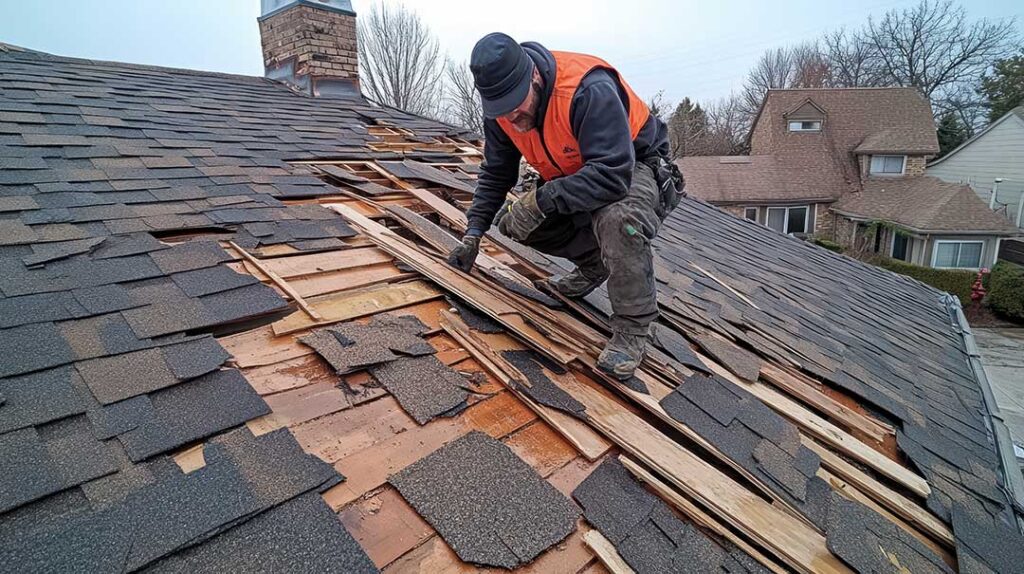
Does a roof need to be replaced as soon as it reaches a certain age?
No. Roof age is useful context, but it does not determine condition by itself. A roof that is 15 years old may still be performing well, while a newer roof can develop problems because of installation defects, storm damage, poor ventilation, or moisture in the attic.
Asphalt shingle roofs are often discussed in terms of expected service life, but those estimates assume proper installation, adequate ventilation, reasonable maintenance, and normal exposure. In the Connecticut River Valley, repeated freeze-thaw cycles, wet snow, wind, ice, and summer sun can affect roofing materials differently from one house to another.
A better evaluation considers:
- Missing, cracked, curled, or slipping shingles
- Exposed or deteriorated flashing around chimneys, walls, and roof penetrations
- Granules collecting heavily in gutters
- Water stains or damp insulation in the attic
- Sagging roof surfaces or soft roof decking
- Repeated leaks in the same area
A roof does not become unsafe simply because it has reached a particular birthday. Its visible condition and underlying structure matter more.
Is a small leak harmless if it only appears during heavy rain?
No. A small leak can cause substantial hidden damage, especially when water enters beneath roofing materials rather than dripping directly into a living space.
Water may travel along rafters, roof decking, insulation, wiring, or ceiling materials before becoming visible. By the time a stain appears indoors, moisture may already have affected wood or insulation. Intermittent leaks can also encourage mold growth and deterioration around roof edges, valleys, chimneys, skylights, and plumbing vents.
A leak that appears only during wind-driven rain may indicate a problem with flashing, shingle alignment, exposed fasteners, or a vulnerable transition between roof sections. The fact that a ceiling dries between storms does not mean the underlying problem has corrected itself.
Indoor staining should be documented, but climbing onto a wet or steep roof is hazardous. Temporary measures may limit damage until conditions are safe, but wet materials and ceiling surfaces should be treated cautiously around electrical fixtures.
Do new shingles automatically solve every roofing problem?
No. Shingles are only one part of a roof system. A roof also includes underlayment, flashing, ventilation, decking, insulation, eaves, valleys, and connections to walls and chimneys.
If the underlying decking is deteriorated, installing new shingles over it may leave a structural problem in place. If attic air leakage and moisture are not addressed, the new roof may still experience ice dams or premature deterioration. Faulty flashing can also cause leaks even when the field shingles appear new.
This is why a roofing problem should be assessed as a system rather than judged by the surface alone. A new covering cannot correct sagging framing, blocked ventilation, damaged sheathing, or water entering through a chimney joint.
Do ice dams mean the roof has failed?
Not necessarily. Ice dams usually point to uneven roof temperatures, warm air leakage into the attic, insufficient insulation, inadequate ventilation, or a combination of these conditions.
An ice dam forms when snow melts on a warmer portion of the roof and refreezes near a colder eave. The resulting ridge of ice can block drainage and allow water to move beneath roofing materials. This can damage ceilings, insulation, trim, and roof decking.
Ice dams are especially relevant for area homes exposed to snow, freezing rain, and repeated temperature changes. However, they are not proof that the shingles alone are defective. Corrective work may involve air sealing the ceiling plane, improving insulation, maintaining clear ventilation paths, and addressing roof geometry or drainage.
Removing ice with a shovel, hammer, or improvised tool can damage shingles and create a fall hazard. Steam removal or other specialized methods may be appropriate in severe situations, but prevention usually requires addressing heat and airflow below the roof.
Does more attic ventilation always make a roof healthier?
No. Ventilation must be balanced and properly arranged. Simply adding a roof vent does not guarantee that air will move through the intended path.
A functioning attic ventilation system generally needs both intake and exhaust air movement. Intake openings are often located near the eaves, while exhaust openings are placed higher on the roof. Insulation should not block the channels that allow outside air to reach the upper attic.
Too little ventilation can contribute to moisture accumulation and uneven roof temperatures. Poorly placed or excessive ventilation can also create problems, particularly if warm, moist indoor air is bypassing the air barrier and entering the attic.
Air sealing is separate from ventilation. Ventilation exchanges attic air with outdoor air; air sealing limits the movement of heated indoor air into the attic. Both may be needed, especially in older homes with recessed lights, attic stairs, plumbing penetrations, or gaps around chimneys.
Is a dark roof always hotter and more likely to fail?
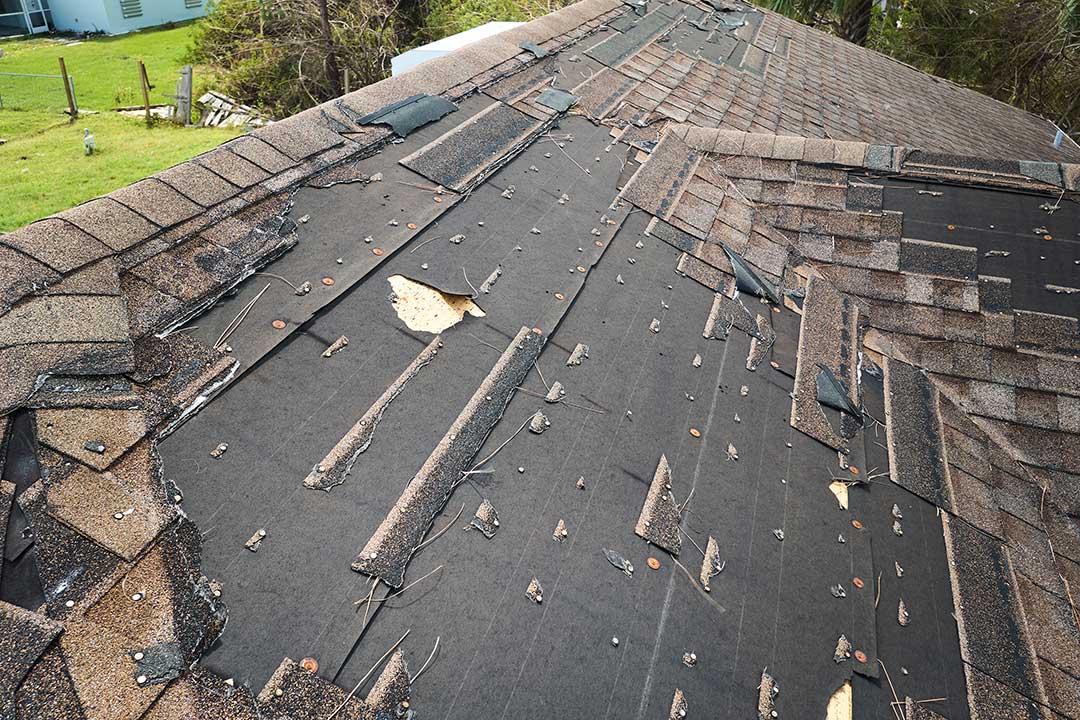
Color affects surface temperature, but it is not the only factor that controls roof performance. Roof slope, shade, ventilation, material type, insulation, orientation, and local weather exposure also matter.
A dark roof can absorb more solar heat than a light roof under certain conditions, but that does not automatically mean it will fail early. Roofing materials are designed for outdoor temperature changes, and proper installation is usually more important than color alone.
In older neighborhoods, roof surfaces may be shaded by mature trees for part of the day and exposed to direct summer sun at other times. Tree shade can reduce heat but may also keep roofing damp longer and increase the amount of leaves, needles, and organic debris that collect in valleys and gutters.
Can homeowners safely inspect a roof from the ground?
Yes, many useful observations can be made from the ground, attic, and upper floors without climbing onto the roof. A pair of binoculars can help reveal lifted shingles, missing materials, exposed flashing, or debris in valleys.
From inside the home, look for:
- Water stains on ceilings or upper walls
- Damp or compressed attic insulation
- Daylight visible through the roof deck
- Musty odors or signs of condensation
- Rust around fasteners or metal components
Ground-level inspection cannot reveal everything. Roof surfaces may be slippery, brittle, steep, or weakened beneath the shingles. Snow and ice add weight and make access more dangerous. Roof work involving heights, unstable surfaces, electrical hazards, or structural damage should be left to trained individuals with suitable safety equipment.
Are gutters separate from roofing maintenance?
No. Gutters and downspouts are part of the roof drainage system. If they are blocked, undersized, loose, or directed toward the foundation, water may back up at the roof edge or saturate the soil near the building.
Overflowing gutters can contribute to wet fascia boards, peeling paint, basement moisture, and erosion. During winter, standing water and ice can also add weight to gutter attachments. Downspouts should discharge water far enough away from the foundation to prevent repeated saturation.
Cleaning gutters does not repair a roof leak, but it can help preserve roof edges and reduce avoidable water problems. After autumn leaf fall and before winter weather, drainage components deserve particular attention.
Do building rules apply only to large roofing projects?
Not always. Requirements can depend on the type of building, scope of work, structural changes, energy improvements, and local enforcement practices. Vermont has state-adopted building and energy standards, while some residential requirements and permits may depend on the municipality and the specific project.
Roof replacement can also reveal conditions involving insulation, ventilation, structural framing, fire safety, or energy performance. Property owners should verify applicable requirements before making substantial changes, particularly when altering roof structure, converting attic space, adding insulation, or changing roof drainage.
The most reliable roofing decisions are based on observed conditions rather than assumptions: age alone does not prove failure, a new surface does not fix every defect, and an ice dam does not automatically mean the shingles are defective. Understanding how roofing, attic airflow, drainage, weather, and building design work together makes it easier to recognize problems early and avoid unnecessary repairs.