

 See My Latest Article on HelloNation
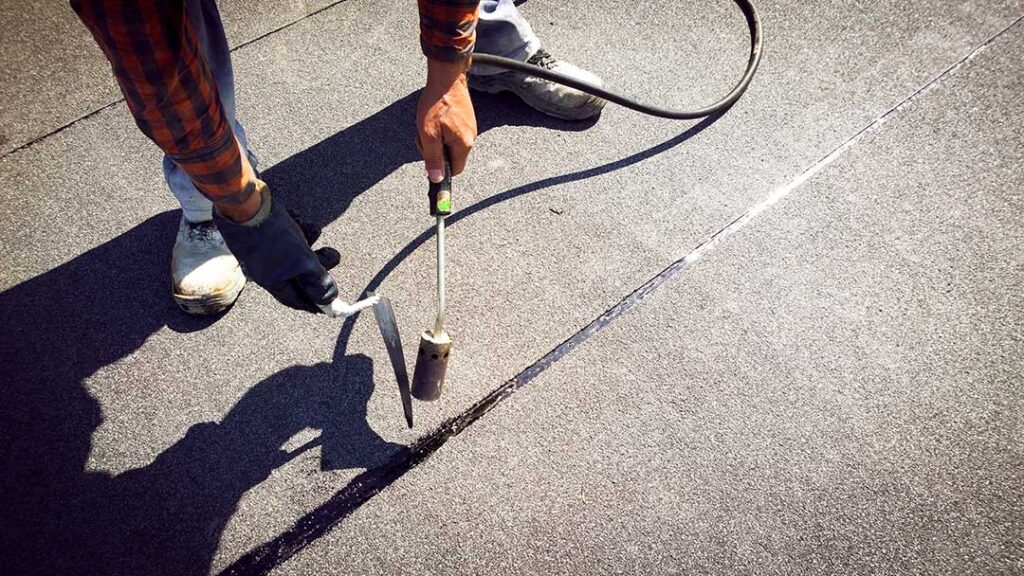
Storm damage is not always obvious from the ground. After high winds, heavy rain, hail, ice, or a fallen branch, a careful inspection can help identify urgent problems before they lead to leaks, interior damage, or unsafe conditions.
In Brattleboro, VT, roof inspections may be needed after several different types of weather. Summer thunderstorms can bring wind and falling limbs, while winter storms can add snow, ice, and freeze-thaw stress. Older homes, steep roofs, additions, porches, and roof sections with different materials may not all respond to the same storm in the same way.
What should be checked first after a storm?
Start with safety, not the roof itself. Look from the ground before approaching the building, and do not climb onto a wet, icy, damaged, or visibly unstable roof.
Walk around the property and look for:
- Downed or leaning trees
- Branches resting on the roof
- Loose utility wires
- Standing water near electrical equipment
- Missing or displaced roofing materials
- Sagging roof sections
- New water stains inside the home
- Debris around gutters, downspouts, vents, or chimneys
If a power line is down or touching the structure, stay away and report the hazard through the appropriate emergency or utility channel. A roof with major sagging, a large opening, or structural movement should not be entered.
How can roof damage be spotted from the ground?
Many storm-related problems can be identified without climbing. Use binoculars if available, but avoid standing directly below loose materials.
Look across each roof slope for areas that appear uneven or interrupted. Asphalt shingles may be missing, lifted, creased, or lying in the yard. A small number of missing shingles can still allow water to reach the underlayment and roof decking.
Also inspect:
- Ridge caps along the roof peak
- Flashing around chimneys, skylights, walls, and roof edges
- Metal vent covers and exhaust caps
- Gutters and downspouts
- Drip edges and fascia boards
- Roof sections above porches, garages, and additions
Hail may leave small dents, bruises, or circular marks that are difficult to see from ground level. Damage to metal flashing can appear as bends, punctures, or new gaps. Wind may loosen materials without removing them completely, so a roof can look mostly intact while still allowing water underneath.
What signs of a leak should be checked inside?
Interior evidence is often the first clear indication that water entered the building. Inspect the attic, upper-floor ceilings, and walls near roof penetrations.
Look for:
- Brown or yellow ceiling stains
- Damp insulation
- Wet roof decking
- Drips or active water
- Peeling paint or bubbling drywall
- Musty odors
- Mold-like spotting
- Daylight visible through the roof
- Damp areas around chimneys, skylights, or attic vents
Check the attic as soon as it is safe, then check again after the next period of rain. Water does not always appear directly below the damaged area. It can travel along rafters, insulation, wiring, or the underside of the roof deck before entering a room.
A ceiling stain that seems small should not automatically be dismissed. It may represent a larger wet area above the finished surface.
How should hail and wind damage be documented?
Photographs and written notes are useful, especially if damage needs to be compared over time or reported to an insurer. Document the condition before moving debris whenever doing so is safe.
Take clear photographs of:
- The entire roof from several ground-level angles
- Close views of missing, cracked, lifted, or dented materials
- Fallen branches and other debris
- Damaged gutters, flashing, siding, windows, or vents
- Interior stains, wet insulation, and damaged ceilings
- Water or debris on floors and furnishings
Include a common object for scale when photographing small damage, but do not climb onto the roof to obtain a closer image. Note the date of the storm, the approximate time damage was noticed, and whether the problem appeared after wind, hail, heavy rain, snow, or ice.
Avoid discarding damaged materials until documentation and any necessary review have been completed. If loose material creates an immediate hazard, safety takes priority; photograph it first if possible.
Is it safe to climb onto the roof after a storm?
Usually, no. A roof may be unsafe even when it appears dry and stable. Wet shingles, hidden structural damage, loose flashing, ice, steep slopes, and damaged skylights can create serious fall hazards.
Ground-level inspection is generally appropriate for homeowners. Roof access should be avoided when:
- The surface is wet, icy, or covered by snow
- Shingles or metal panels are loose
- A branch or tree has struck the roof
- The roof is steep or difficult to access
- There are signs of sagging or structural damage
- A ladder would need to rest near electrical lines
- Wind is still strong
- The person inspecting lacks appropriate fall-protection equipment and training
Do not walk on a roof with visible storm damage merely to confirm what can already be seen from the ground. Damaged roofing materials can break or slide, and walking on them may make the condition worse.
What temporary steps can limit additional water damage?
Temporary protection may be possible for minor, accessible problems, but it should not involve climbing onto a dangerous roof. Place a container under active drips, move furniture away from water, and protect floors with towels or plastic sheeting.
If water is near ceiling fixtures, outlets, appliances, or wiring, turn off electricity to the affected area only if the panel can be reached safely without standing in water. Do not touch wet electrical components.
A tarp or other temporary covering may reduce additional exposure, but placing one on a steep, wet, icy, or damaged roof is hazardous. Improvised repairs using household tape, roofing cement, or loose boards may also trap moisture or create a new fall risk.
Temporary measures are especially important during seasons with repeated storms, snow, and freeze-thaw cycles. Water that enters a small opening can freeze, expand, and enlarge the damaged area.
When does roof damage require prompt attention?
Prompt assessment is warranted when water is entering the home, the roof is sagging, a large area of material is missing, or a tree has struck the structure. Damage near chimneys, skylights, valleys, roof edges, and attic vents also deserves attention because these areas are common paths for water entry.
Urgency increases when:
- Ceiling material is bulging
- Water is spreading through walls
- A roof deck is visible
- A large branch remains on the roof
- Shingles or panels are scattered across the property
- Gutters have pulled away from the building
- A chimney or masonry feature appears shifted
- The building has a new structural crack or unusual movement
Some issues can wait for daylight and calm conditions, but active leaks and structural hazards should not be ignored. A qualified roofing or building professional may be necessary when the roof cannot be inspected safely from the ground or when the damage affects the structure.
What common inspection mistakes should be avoided?
The most common mistake is assuming that no leak means no damage. Roofing materials can be damaged without allowing water inside immediately. Another mistake is inspecting only the roof surface while ignoring gutters, flashing, attic spaces, and interior ceilings.
Avoid these errors:
- Using a ladder during high winds or on unstable ground
- Walking beneath loose branches or roof materials
- Pressure-washing suspected damage
- Pulling off materials before documenting them
- Assuming one ceiling stain identifies the exact leak location
- Covering a problem without checking for wet insulation or decking
- Waiting for another storm to reveal whether the roof is sound
A careful inspection combines exterior observation, attic checking, interior review, and documentation. For local households dealing with wooded lots, older roof systems, snow loads, and repeated seasonal weather, that broader approach is more reliable than looking for a single missing shingle and moving on.