

 See My Latest Article on HelloNation
Why Prepare Your Roof for Winter in Brattleboro, VT?
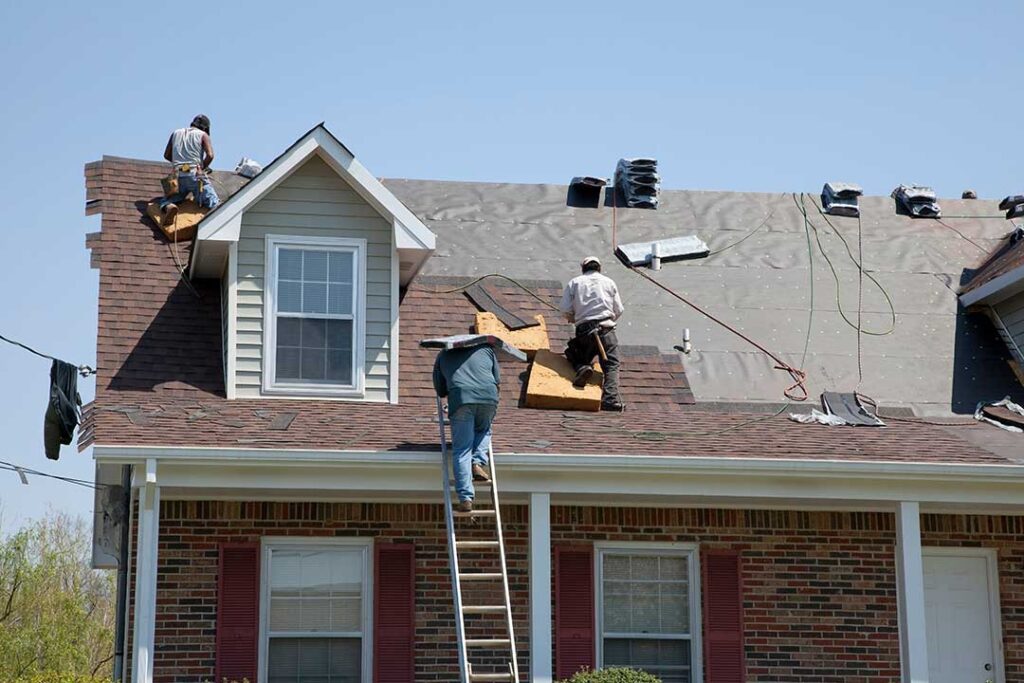
In Brattleboro, VT, winter often brings snow, ice, wind, and swings in temperature. Roofs in the region face months of freeze-thaw cycles, accumulated snow load, and occasional sleet or heavy rain. Preparing your roof for winter is crucial to prevent leaks, ice dams, and long-term structural issues. Small steps in late fall can help area households avoid expensive repairs and protect interiors during the coldest months.
What Should You Look for When Inspecting Your Roof in Late Fall?
Start with an exterior inspection, ideally on a clear, dry day. Many local residents use binoculars from the ground for a basic check.
Look for:
- Missing, cracked, or curling shingles, which can allow water entry
- Loose or damaged flashing around chimneys, skylights, and vent stacks
- Moss, algae, or piles of leaves, which trap moisture and speed up shingle wear
- Sagging roof sections, which may indicate a problem beneath the shingles
Don’t forget the attic. Signs of trouble inside the house—like wet insulation, daylight through the roof boards, or visible water stains on rafters—often point to leaks that could worsen in winter.
How Can You Safely Clear Roof Debris Before Snow Arrives?
It’s best to clear leaves, twigs, and branches from your roof before snow falls, as trapped debris holds moisture and encourages ice dams. In Brattleboro, autumn leaf drop can be heavy, so check after peak foliage.
- Use a roof rake with a telescoping handle to pull down leaves from the edge, standing safely on the ground.
- If using a ladder, have a spotter and make sure the ladder is stable on level ground—not on snow or ice.
- For low slopes, a soft-bristled broom can gently sweep away debris without damaging shingles.
Never use a pressure washer, metal shovel, or anything that could scrape or dislodge roofing material. Wet leaves clumped in valleys and behind chimneys are often missed and can cause trouble later.
Why Is Gutter Maintenance Essential for Winter Roof Health?
Clean gutters and downspouts allow melting snow and ice to drain away from your roof edge. In the city, gutters often clog with maple, oak, and pine needles in late autumn.
Blocked gutters cause:
- Water to back up under shingles, leading to leaks and rot
- Ice dams on the eaves, which can tear off gutters or damage fascia boards
To minimize risk, clear gutters in late fall and again after the last leaves drop. Ensure downspouts are directed at least a few feet away from the foundation to prevent water from collecting near basement walls.
What Are Ice Dams, and How Can Brattleboro Residents Prevent Them?
Ice dams form when heat from inside the house melts snow on the roof, which then refreezes at the eaves. This ridge of ice traps water behind it and can force leaks into the home.
Prevention tips:
- Add attic insulation to reduce heat loss
- Seal attic floor gaps to stop warm air from rising to the roof deck
- Ensure attic ventilation allows cold air to flow, keeping the roof deck colder and minimizing melt
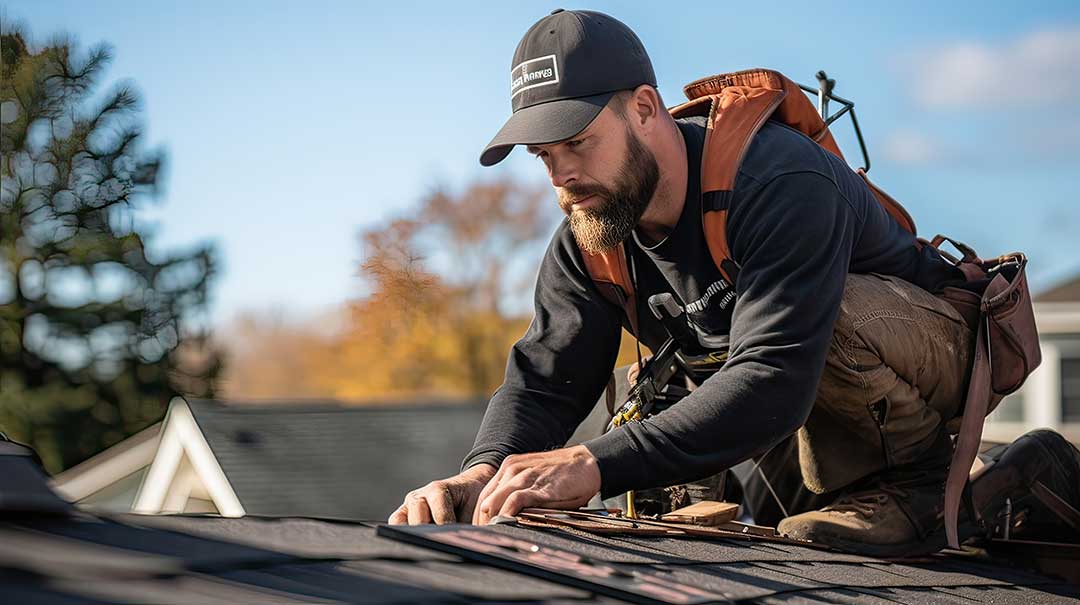
In the community, older homes sometimes lack sufficient insulation or ventilation, making them prone to ice dam issues. Attic floor insulation to at least R-38 (about 12–14 inches of fiberglass) is commonly recommended for the region’s climate.
Should You Trim Overhanging Tree Branches Before Winter?
Yes—branches that hang over roofs can scrape away shingles in winter wind or shed piles of snow and ice. Sudden thaws may break heavy branches, dropping them onto the roof. Local residents with mature trees close to the house may want to prune back limbs so they do not touch or overhang the roof.
Take care when working near power lines or on steep slopes. In some cases, it may be safest to consult a tree-care professional if large limbs or electrical wires are involved.
Are Roof Repairs Needed Before First Snowfalls?
Any obvious roof problem, such as missing shingles or serious flashing gaps, should be addressed before the first significant snow. Waiting until spring risks interior water damage as melted snow seeks out weak spots. If you spot signs of trouble but aren’t sure of the cause, documenting them with photos can help with assessment, whether for later repair or homeowner’s insurance.
What Else Do Local Homeowners Overlook in Winterization?
A few commonly missed steps can make a big difference:
- Checking rubber boots and seals around vent pipes for splitting or gaps
- Inspecting skylight flashing, especially if units are older or have leaked before
- Ensuring satellite dishes, antennas, or solar mounts are firmly attached and waterproofed
Some homeowners in the area also overlook attic hatches and recessed lights, which can leak warm air and promote uneven roof melting. Gasket seals and insulation over these openings help keep attic temperatures even.
How Can You Stay Safe When Preparing Your Roof for Winter?
Winter roof work in Brattleboro carries risks because of icy surfaces and sloped roofs. For do-it-yourselfers:
- Never walk on icy or snow-covered roofs
- Use a harness or ladder stabilizer if rooftop access is unavoidable
- Always work with another person nearby
- Postpone roof work if conditions are wet, icy, or windy
Homeowners should tackle only simple, low-risk tasks. Anything requiring major climbing or repair on steep and slippery slopes is best handled with care, or with experienced help if personal safety is a concern.