

 See My Latest Article on HelloNation
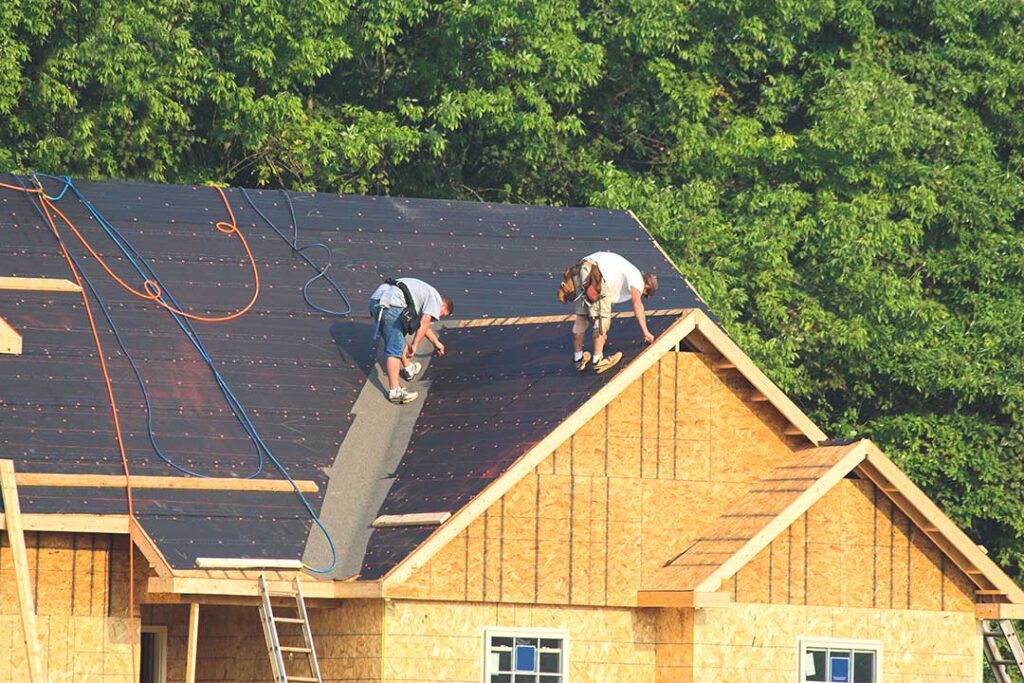
The roof over your head does more than finish off your home’s look; it’s also your first defense against the elements. In Brattleboro, VT, our weather is famously unpredictable: snow in April, heavy summer rains, and the occasional nor’easter thrown in for good measure. Knowing how these climate factors affect your roof can save you from unexpected repairs and keep your household safe and dry year-round.
How Do Brattleboro Winters Affect Roofs?
Living in Brattleboro means we’re no strangers to snow and ice. While picturesque, winter comes with challenges for any roofing system:
- Snow Load: Heavy snow piles up quickly, putting stress on your roof’s structure. Over time, the weight can cause sagging, damage to shingles, or even roof collapse in worst cases.
- Ice Dams: When snow melts and refreezes at roof edges, it creates ice dams. These block melting snow, causing water to back up underneath shingles, leading to leaks and rotting wood.
- Freeze/Thaw Cycles: Vermont winters often see temperatures swinging above and below freezing. This cycle causes roofing materials to expand and contract, potentially cracking shingles and weakening seals.
Summer Storms and Your Roof
Brattleboro summers can be swampy and stormy, with sudden downpours and high winds that test even the best roofing materials:
- Heavy Rain: Prolonged or intense rainfall exposes any weakness in your roof’s waterproofing. Small cracks or missing shingles quickly turn into leaks.
- Wind Damage: Thunderstorms and passing fronts bring gusty winds that can lift shingles, tear off flashing, and loosen gutters. Once the integrity of your roof’s exterior is breached, rainwater can intrude and cause significant water damage.
- High Humidity: Our humid summers encourage moss, mold, and algae growth on shaded roofs. Over time, these organisms can degrade shingles, making them brittle and less effective.
Spring and Fall: Seasons of Transition
While winters and summers get most of the attention, Brattleboro’s shoulder seasons bring their own issues:
- Debris Build-up: During fall, leaves, twigs, and pine needles clog gutters and collect in roof valleys, causing poor drainage and moisture retention, which can degrade roofing materials.
- Pollen and Spores: Spring’s bursts of pollen coat roofs and can encourage mold growth if not properly washed away by rain or cleaned periodically.
Common Weather-Driven Roofing Problems in Brattleboro
Given our climate’s swings from cold, snowy winters to wet, windy summers, some roofing problems are especially common here:
- Loose or Missing Shingles: Easily displaced by wind or damaged by ice.
- Roof Leaks: Usually appearing after snow melt or heavy rain.
- Gutter Damage: From ice dams or heavy debris, leading to poor drainage.
- Moss and Lichen Growth: In damp, shaded areas.
Preventative Steps for Brattleboro Roofs
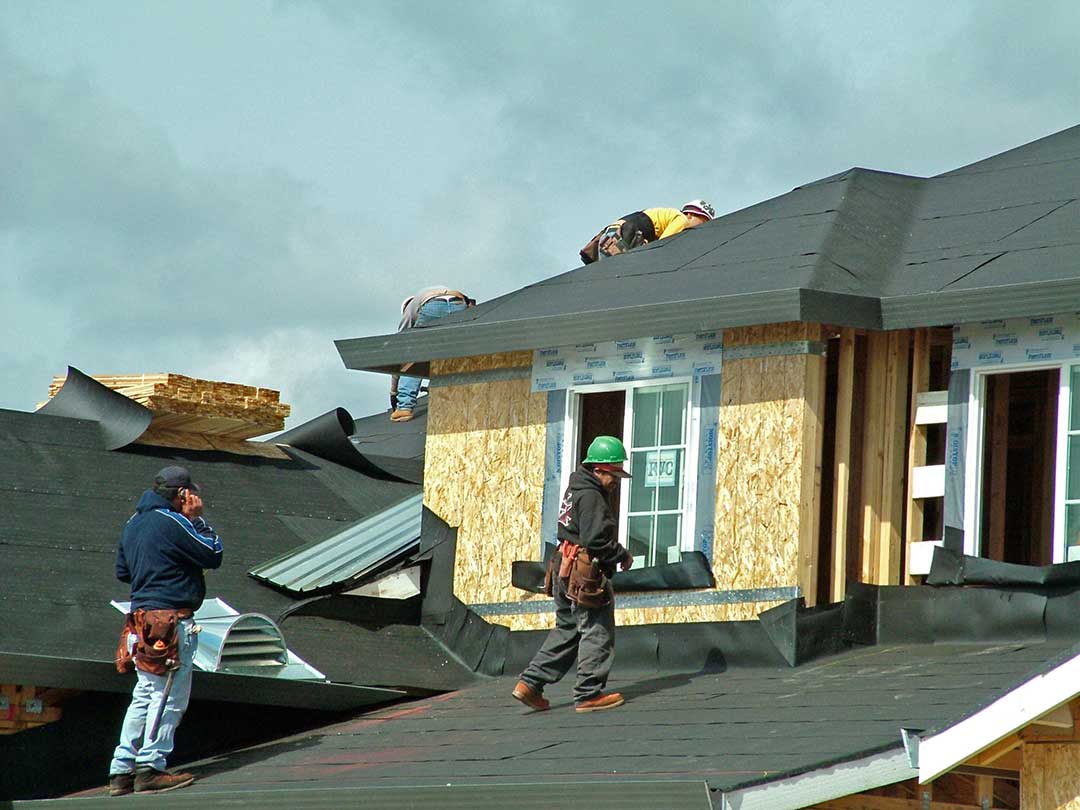
Understanding how weather affects your roof means you can take proactive measures. Here’s what Brattleboro homeowners should prioritize:
- Annual Inspections: Schedule a roof check every spring—after winter’s harshest weather—and again each fall. Look for damaged or missing shingles, and ensure flashing and seals are intact.
- Gutter Maintenance: Clean your gutters regularly to avoid blockages, especially after leaf-fall in autumn.
- Attic Insulation and Ventilation: Proper insulation helps prevent ice dams, while good ventilation keeps humidity from building up and creating rot.
- Trim Overhanging Branches: This reduces risk from falling limbs and helps your roof dry out quicker after rain.
- Remove Moss and Algae: Use gentle, eco-friendly cleaners designed for roofs to keep your shingles clear of damaging growth.
Why Weather-Aware Roof Care Matters in Brattleboro
Our community has a rhythm—skiing in winter, hiking in summer, and maple sugaring in spring. Your roof quietly helps keep these traditions going by providing shelter from the wild variances of Vermont weather. However, local lifestyle—like stacking firewood near the house or ignoring leaf buildup during a busy fall—can unintentionally contribute to roof problems.
Moreover, homes here are often older with historical charm, which means older roofs more susceptible to weather-related deterioration. Regular, weather-conscious maintenance is crucial to preserving both your roof and the comfort of your home.
When to Call a Professional
Many Brattleboro homeowners are used to a do-it-yourself approach, from gardening to minor repairs. But when it comes to roofing issues caused by weather—especially leaks, sagging, or recurring ice dams—it’s vital to consult a professional. Roofing contractors familiar with southern Vermont’s unique climate can provide expertise and repairs that are built to last the next nor’easter—or the next steamy July downpour.
Final Thoughts
In Brattleboro, the weather shapes daily life—and your roof stands on the front line. Understanding how each season impacts your roof empowers you to protect your home, lower repair costs, and keep your living space cozy, safe, and dry. Regular inspections, prompt repairs, and a weather-aware mindset can add years to your roof’s life, so you can focus on enjoying everything Vermont has to offer, come snow, rain, or shine.