

 See My Latest Article on HelloNation
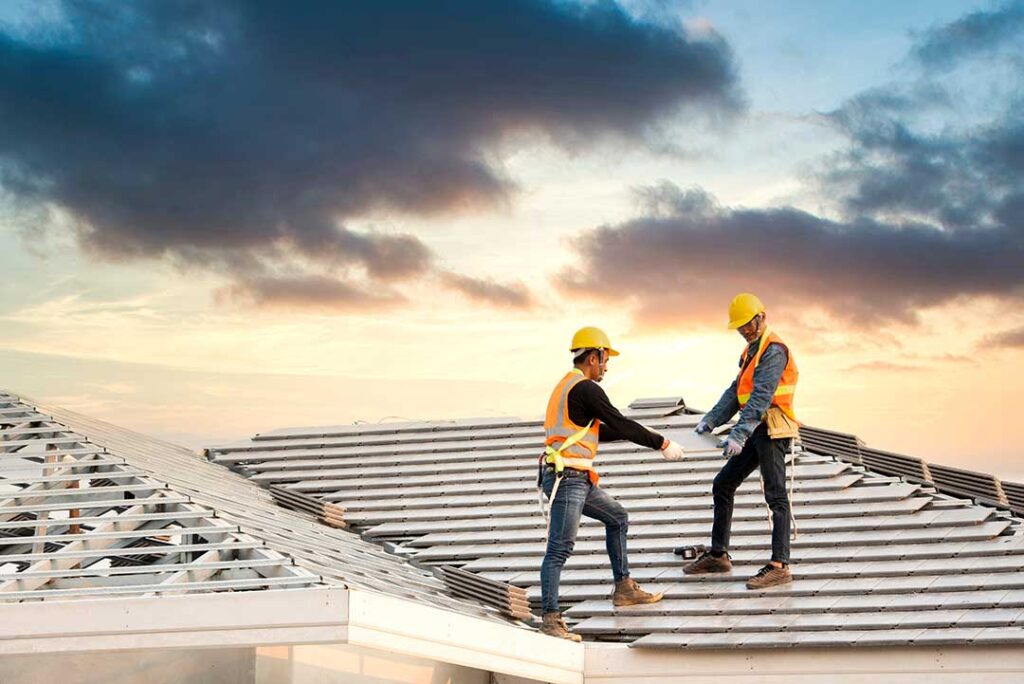
What Are the Signs That a Roof Needs Replacement?
Visible changes in your roof’s appearance or performance are often the first indicators replacement may be necessary. In Brattleboro, the region’s climate—characterized by snowy winters, freeze-thaw cycles, mixed precipitation, and humid summers—places special demands on local roofs.
Typical signs that suggest your roof may be nearing the end of its useful life include:
- Numerous missing, cracked, curling, or warped shingles
- Persistent leaks inside, especially after heavy rain or snowmelt
- Noticeable granules from asphalt shingles gathering in gutters
- Sagging roof areas or a wavy appearance from ground level
These signs often point to underlying structural or material issues that can’t be solved with simple repairs. Residents should check for visible moss or algae patches, particularly on shaded north-facing slopes, as these can signal moisture retention and potential material breakdown.
How Long Should a Roof Last in Brattleboro?
The expected lifespan of a residential roof in Brattleboro depends on its materials and exposure to local weather extremes. Most asphalt shingle roofs—common in the area—last about 20-25 years. Metal roofing may last 40-70 years, while slate and tile can sometimes exceed 75 years with diligent maintenance.
However, individual roof life may be shortened by:
- Regular ice dam formation along eaves
- Prolonged snow or standing water after storms
- Unchecked moss or leaf buildup
- Inadequate attic ventilation
Local homes subject to tree shade, dense forest cover, or blustery, snow-packed winters often require more frequent attention. It’s not uncommon for area households to consider replacement once an asphalt roof exceeds 18 to 20 years, especially if prior storm damage or winter leaks have occurred.
Does the Season Matter When Deciding to Replace a Roof?
Weather and timing play a significant role in the decision to replace a roof in Brattleboro. While urgent safety hazards, such as large leaks or visible sagging, should never wait, most planned roof replacements are arranged for late spring through early fall.
Why this timing? Cold weather and heavy snow can make roofing materials brittle and harder to install reliably. Spring and fall generally offer milder, more predictable conditions, with fewer weather interruptions and better roof sealing performance.
Homes with aging roofs should be inspected before winter sets in, as New England’s freeze-thaw cycles can rapidly transform minor problems into major ice dams or leaks. Advanced planning helps minimize disruption and maximizes the success of replacement work.
Can Repairs or Patching Extend Roof Life?
Small, isolated roof issues can sometimes be effectively repaired, but repeated or widespread patching is often a warning sign. Persistent leaks in multiple areas, mismatched shingles from previous repairs, or ongoing growth of moss mean the underlying roof system may be compromised.
In Brattleboro’s variable climate, temporary repairs are generally only advisable when:
- The rest of the roof appears sound and under 15 years old
- There’s isolated damage from a falling branch or wind gust, not general wear
- Attic spaces remain dry during storms and winter melts
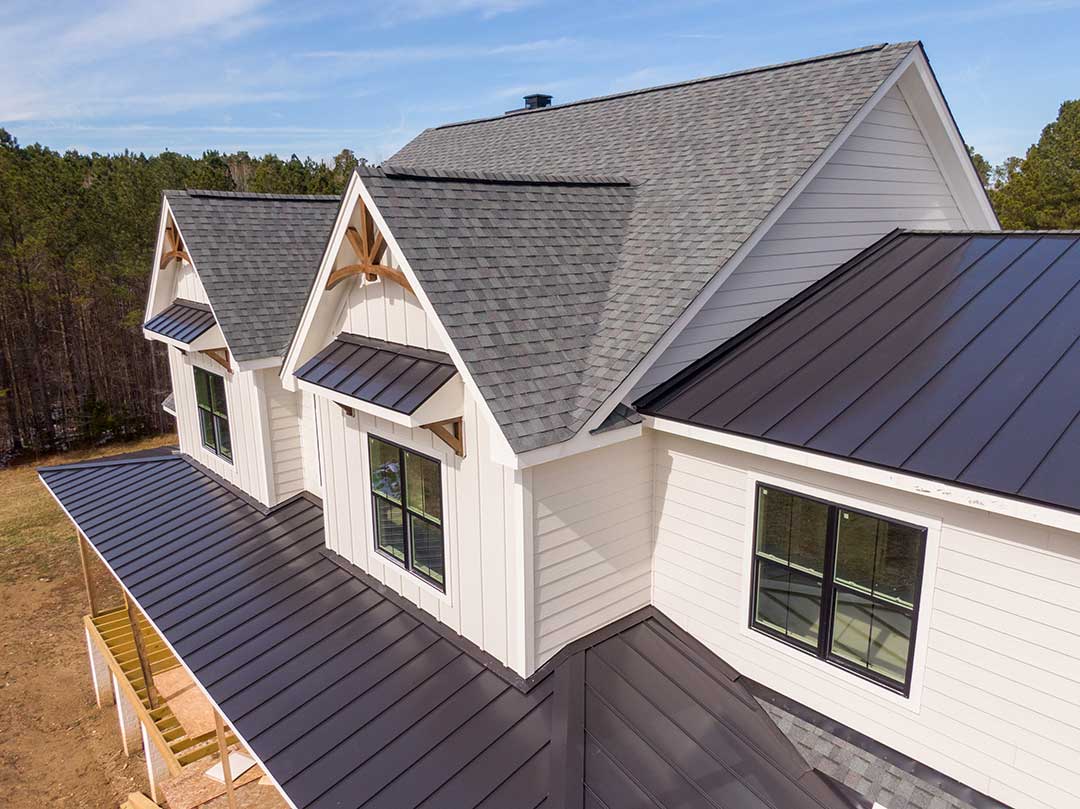
If repairs have become frequent or new leaks develop every winter, It’s usually more economical and practical to begin planning for full replacement.
What Are the Less Obvious Signs Replacement Is Needed?
Not all signals are obvious from the ground. Some indicators require an interior look or a closer eye on household comfort and energy bills.
Check for:
- Unexplained increases in heating costs, which may signal loss of insulation or attic moisture from roof issues
- Moldy smells, even if leaks are hard to spot—these could stem from hidden moisture intrusion
- Deterioration of attic insulation, visible water stains on interior ceilings or walls, and recurrent condensation
Brattleboro households in classic New England homes, especially with steep-pitched roofs or attic spaces, should remain vigilant about these less visible but serious symptoms.
How Do Local Conditions in Brattleboro Affect Roof Longevity?
Local climate and environmental patterns are critical. Blustery winds, temperature swings between day and night, and occasional torrential rain can all accelerate shingle aging. Properties shaded by mature maples or dense understory may develop persistent moss or algae, and seasonal debris can trap moisture at roof edges.
Community patterns—such as regular wood stove use and older insulation—may also encourage warm air to reach the attic, which can worsen winter ice dams and speed up roof degradation.
Attention to these unique factors makes a big difference. Residents who routinely clear debris, trim trees, and monitor roof and attic conditions often experience longer intervals between needed replacements than those who wait for visible leaks to begin.
What Are Common Misconceptions About Replacing a Roof?
A frequent misconception is that a roof only needs replacement if it’s actively leaking. In Brattleboro, waiting for water to enter the home often results in costlier repairs to framing, insulation, and interior finishes.
Another overlooked factor: believing a roof with minor visual imperfections can be patched indefinitely. Multiple mismatched repairs or chronic shingle loss, especially after only moderate storms, usually signals a deeper decline.
Lastly, some homeowners trust ice dam removal or tarping as adequate long-term fixes for winter roof issues. These can buy time during the season, but rarely stop further damage or prevent costly water intrusion down the line.