

 See My Latest Article on HelloNation
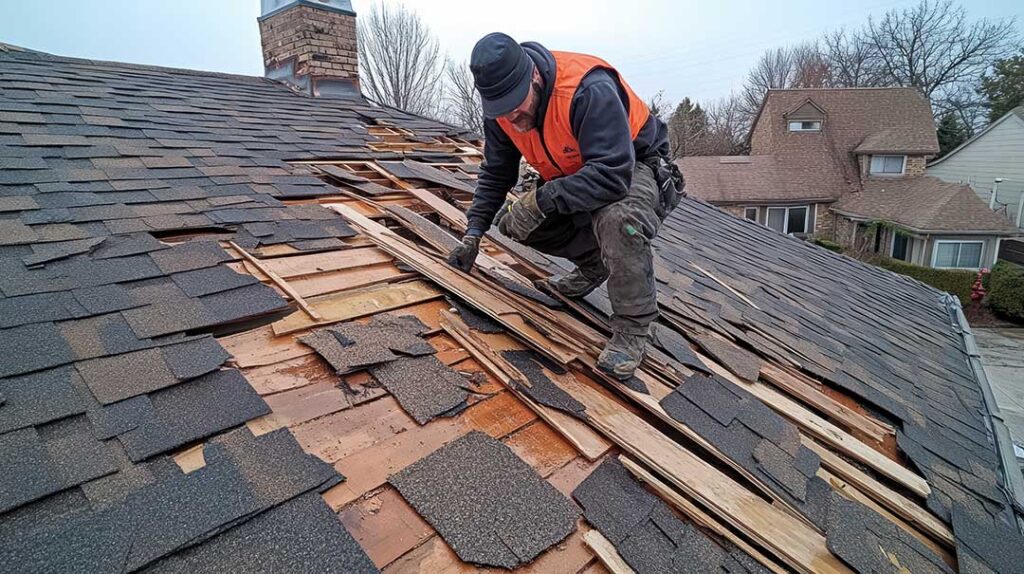
What Factors Cause Roofs to Wear Out in Brattleboro, VT?
Local roofs face unique challenges from the region’s heavy snowfall, frequent freeze-thaw cycles, high humidity, and seasonal thunderstorms. These conditions can shorten the lifespan of roofing materials if not addressed. Most residential roofs are asphalt shingles, but some older homes have metal or slate options, each with their own vulnerabilities.
Roofs in Brattleboro tend to deteriorate from:
- Snow and ice dams in winter, which trap moisture along eaves and can lift shingles
- Repeated thermal expansion and contraction, creating cracks over time
- Moss, algae, and lichen growth fostered by shade and humidity
- Impact from fallen branches during storms
- Clogged gutters causing water to back up under roofing materials
Understanding how these issues affect the roof is the first step in extending its serviceable life.
How Often Should a Roof Be Inspected Locally?
Having a roof checked at least twice a year—ideally in spring and fall—helps local residents spot emerging problems before they worsen. Brattleboro’s autumn leaf drop and spring thaw period are especially important times for inspection, as these are when debris accumulates and water is most likely to find weak points.
A quick visual check after major storms is also smart. Look for:
- Missing, cracked, or curling shingles
- Rust spots or separation at flashing, especially around chimneys and vents
- Sagging or staining in the attic (a sign of leaks)
If accessing a roof is unsafe due to pitch or weather, a pair of binoculars or a ground-up inspection for shingle granules in gutters can offer clues.
What Regular Maintenance Prevents Damage?
Routine upkeep is essential in the city’s changing climate. In Brattleboro, key maintenance tasks that help preserve a roof include:
- Clearing Gutters and Downspouts
Ensure water routes away from the roof by keeping all channels free of leaves, twigs, and ice. Blocked gutters are a top cause of winter backup and rot under roofing layers.
- Removing Debris and Overhanging Branches
Limbs that scrape shingles or drop organic material speed up wear and create homes for moss, leading to hidden moisture pockets.
- Controlling Moss and Algae
In shaded areas, patches of green may form. Gently brushing or rinsing off growth prevents root systems from compromising shingle structure.
- Checking Attic Ventilation and Insulation
Poor ventilation can lead to ice dams and summer overheating, both of which accelerate roof aging. Attic spaces should be dry, with no mold or obvious airflow issues.
Are Ice Dams a Big Problem Here?
Yes—ice dams are a common winter headache in this region. Warm air escaping into the attic melts snow, which then refreezes at the eaves, causing water to pool and seep under shingles.
Local households can help prevent this by:
- Ensuring attic insulation is up to standard, reducing heat loss to the roof
- Installing ice and water barrier membranes during any major roofing project
- Using a roof rake after heavy snow (from the ground, for safety)
If an ice dam forms, using calcium chloride (never rock salt) in a safer-from-the-ground method can help. Avoid chipping away at ice, which could damage roof materials.
How Can Ventilation Impact Roof Life?
Proper ventilation is frequently overlooked but is crucial for long-lasting performance. Inadequate airflow leads to trapped moisture, mold growth, and excessive heat buildup—all of which shorten the life of shingles and underlayment.
Homes in Brattleboro often benefit from:
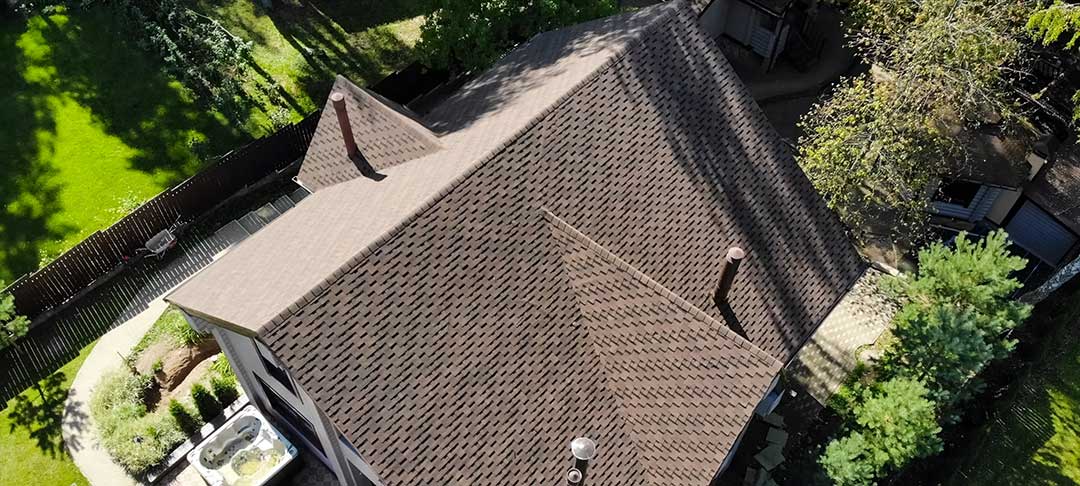
- Ridge vents combined with sufficient soffit vents
- Gable vents for older or attic-heavy structures
Signs of poor ventilation include musty odors, condensation on attic surfaces, and uneven roof aging.
What Should Be Done After a Storm?
After storms, especially high-wind events or heavy snowfall, inspect for immediate concerns:
- Look for torn, shifted, or missing shingles; these are prime spots for leaks.
- Check for bent or loose flashing and pieces of metal along edges and valleys.
- Remove small limbs or debris sitting on the roof—avoid climbing onto surfaces until sure footing is safe.
Recording the roof’s condition with photos can help monitor changes and guide any needed repairs.
How Long Do Typical Roofs Last Locally?
The range depends on material and exposure. In Brattleboro’s climate:
- Asphalt shingle roofs: 15–25 years if regularly maintained
- Metal roofs: 40 years or more, with less need for moss control
- Slate roofs (on older homes): 50–100 years, but require specialized care
Regular maintenance, timely repairs, and proactive inspection can add up to a decade or more to a roof’s expected lifespan compared to neglected coverings.
What Are Common Misconceptions About Roof Care?
Misunderstandings can actually shorten a roof’s life:
- Power washing shingles is not safe—it removes protective granules.
- Dark streaks are not always dirt; local humidity frequently causes harmless algae, which can be gently cleaned.
- New shingles on old layers delay, but do not solve, underlying roofing rot or leaks.
Replacing only damaged areas without addressing attic moisture or insulation issues may result in recurring problems.
What DIY Tasks Are Safe, and When Is Expert Help Needed?
Residents can safely handle light tasks like clearing gutters, using a roof rake from the ground, and visually inspecting for major changes. Avoid climbing on steep, slippery, or icy surfaces.
Major repairs, suspected structural issues, or evidence of animal infestation should defer to those with proper safety gear and technical knowledge, as falls and hidden hazards are possible.