

 See My Latest Article on HelloNation
What Risks Does Hurricane Season Pose to Roofs in Brattleboro, VT?
Hurricane season brings heavy rains, strong winds, and flying debris, all of which can strain local roofing systems. Unlike coastal regions that face direct hurricane landfalls, Brattleboro, VT experiences the tail ends of tropical systems—remnants, severe rain events, and bursts of damaging wind, especially in July through early October. Even storms that lose strength before reaching this area can drop significant rainfall, create sudden gusts, and send branches or loose outdoor items flying onto rooftops.
Brattleboro’s typical housing stock includes older homes with steeply pitched roofs, often surrounded by large trees. These factors increase the chances that wind-driven limbs, clogged valleys, or worn-out shingles could fail during a severe storm. While most roofs here are designed for winter snow loads, the intense water and wind events of hurricane season present a different set of challenges.
How Does a Roof Inspection Help Before Hurricane Season?
A pre-season inspection helps uncover weak spots that could turn into leaks or blow-offs when storms arrive. Checking your own roof can be an effective first step, especially when looking from the ground or using binoculars.
Look for:
- Loose, missing, or curling shingles
- Damaged or rusted flashing around chimneys and valleys
- Dislodged gutters or downspouts
- Moss, lichen, or mold growth indicating moisture retention
- Branches or debris resting on roof surfaces
Roofs with aged or missing elements are more likely to leak or shed shingles in windy conditions. If you notice issues, especially those involving structural damage or steep roofs, it’s much safer to observe from the ground and make a detailed note for further attention.
What Maintenance Tasks Should Be Done Before Storms Arrive?
Several straightforward maintenance tasks reduce risk:
- Clear roof surfaces, gutters, and valleys of leaves, pine needles, and any debris.
- Check that all gutters and downspouts are firmly attached and allow water to flow freely. Take extra care where overhanging trees may have clogged sections.
- Remove any loose branches from your roof or within close range to prevent them from becoming projectiles or clogging drainage during a storm.
- Inspect attic spaces for signs of existing leaks or daylight showing through decking—especially after recent rains.
These checks do not require special tools, just patience and care. During storm season, keeping areas around the roof clear and drainage systems open is one of the most effective safeguards against water infiltration.
What Materials or Features Are Vulnerable in Brattleboro Roofs?
Certain materials and features common in this community are at higher risk:
- Asphalt shingles are prone to lifting or being blown off if aging or improperly fastened.
- Historic metal roofing can rust or warp at seams, especially if fasteners are lose or flashing has deteriorated.
- Skylights and chimneys are common leak points if flashing is worn or sealants have failed.
- Unreinforced ridge caps and roof edges are more likely to suffer wind damage.
Older homes in this area may have layers of roofing from previous generations, which can conceal underlying weaknesses. Features like dormers and steep valleys can also trap debris and slow drainage, increasing water load during heavy rains.
When Should Trees and Outdoor Items Be Addressed?
All trees within striking distance of the roof should be regularly pruned, with dead or weakened limbs removed well before hurricane season. This reduces the risk of branches puncturing roofing materials or clogging gutters during storms.
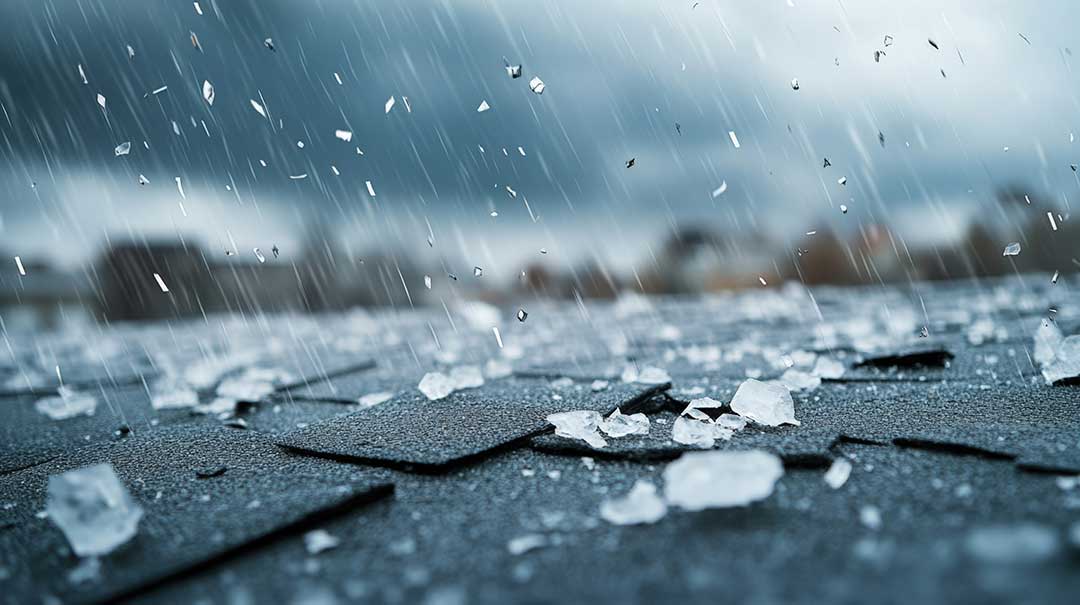
Secure or store loose outdoor items—patio furniture, grills, or garden tools—so they do not blow onto the roof or cause impact damage. Fence panels, play structures, and even trash bins have been known to migrate during sudden gusts, causing preventable problems.
What Are Common Mistakes to Avoid When Preparing a Roof?
Some frequent oversights include:
- Waiting until a storm is forecast—repairs are much easier and safer to complete in dry, calm weather.
- Ignoring minor leaks or missing shingles, which often worsen rapidly under hurricane conditions.
- Climbing on steep, wet, or aging roofs without proper safety precautions.
- Sealing over roof vents or valleys with products not intended for roof use, which can trap moisture and create worse leaks later on.
A thoughtful, early-season assessment prevents last-minute scrambling and unnecessary risk.
How Can Attic Ventilation and Insulation Help?
Proper attic ventilation minimizes moisture buildup and reduces the risk of leaks during driving rain. Inadequate ventilation can create pressure imbalances, encouraging wind-driven rain to enter through small openings or force shingles loose during storms.
Check that attic vents are not blocked by insulation and that insulation has not shifted away from the roof deck. Addressing these details ahead of storm season can make a noticeable difference in moisture control and roof longevity, particularly in homes with older construction.
What Should Be Done After a Major Storm Passes?
After the storm, safely walk the property’s exterior to look for:
- Missing shingles or exposed underlayment
- New debris accumulations, especially in gutters or roof valleys
- Water stains or drips in attic spaces
If you find immediate roof damage, cover exposed areas with a tarp if it can be done safely and contact local authorities if power lines or dangerous debris are involved. Repairing or securing damage quickly, even with a temporary fix, can help prevent interior water damage while longer-term solutions are scheduled.