

 See My Latest Article on HelloNation
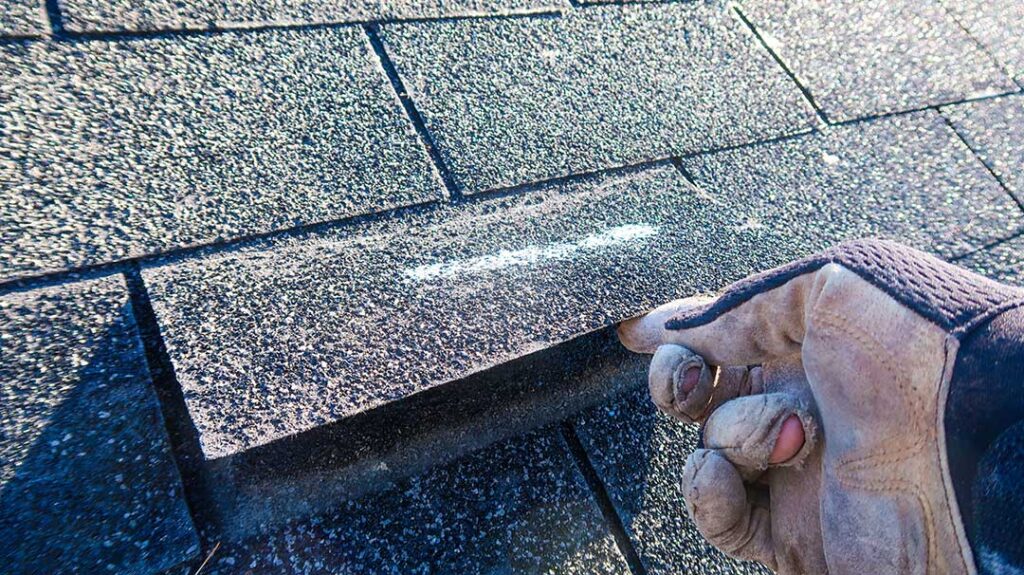
What Happens First During a Professional Roof Inspection?
The initial stage of a roof inspection typically starts with a discussion between the resident and the inspector to address any visible issues or concerns. After understanding these, the inspector performs a visual assessment from the ground and then either climbs onto the roof or uses binoculars or drones if direct access is difficult.
In Brattleboro, where many homes feature steep-pitched roofs and varied building ages, this first look often focuses on visible damage from snow, ice dams, wind, or heavy spring rains. Local inspectors may also check for missing shingles, sagging gutters, or signs of animal activity, which are common in the region.
What Exterior Elements Are Evaluated?
Inspectors check several key components of the roof's exterior, aiming to spot both obvious and hidden damage.
- Shingles or roofing material: Inspectors look for cracks, curling, missing pieces, or excessive granule loss.
- Flashing: This metal is found around chimneys, skylights, and vents. Its integrity is crucial to prevent leaks in homes exposed to frequent freeze-thaw cycles.
- Gutters and downspouts: Because heavy leaf fall and winter ice can clog or damage gutters in Brattleboro, gutter health is an important checklist item.
- Roof penetrations: Vents, satellite mounts, or solar installation areas are checked for proper sealing.
If moss or algae appear—something common in shaded or tree-surrounded homes—the inspector may explain whether it’s cosmetic or a signal of underlying moisture.
How Are Attic and Interior Spaces Checked?
A thorough inspection often includes assessing spaces directly beneath the roof, especially the attic. This part is essential for understanding issues beneath the surface.
Inspectors typically look for:
- Proper insulation and ventilation—crucial for homes in climates with cold winters and humid summers.
- Signs of water staining, mold, or rot on rafters, which can indicate leaks.
- Daylight peeking through the roof boards, which suggests gaps or holes.
- Evidence of pests or rodents.
In regions like Brattleboro, condensation or moisture in attic spaces is a particular concern, as it can lead to mold growth and premature roof deterioration.
How Long Does a Roof Inspection Take?
Most roof inspections for single-family homes in the area are completed within one to two hours. The time varies based on roof size, pitch, condition, and accessibility.
Multi-story homes or buildings with complex roofs (such as older Victorian or farmhouse styles common in Brattleboro) may require additional time, especially in winter when inspection can be slower due to snow or ice.
What Tools and Technology Might Be Used?
The tools used during a roof inspection can range from simple hand tools to advanced diagnostic equipment:
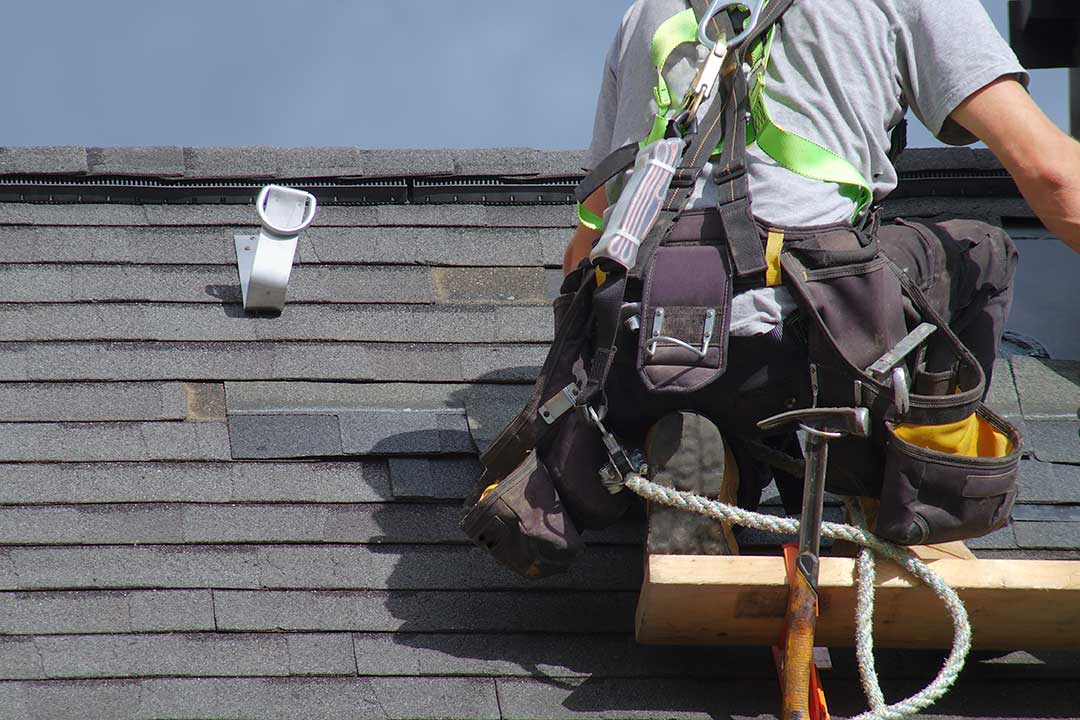
- Ladders or roof harnesses for physical access
- Moisture meters to detect hidden leaks inside attic wood
- Drones for hard-to-reach rooflines, especially in wooded or hilly neighborhoods
- Infrared cameras in some cases, to spot temperature differences indicating water intrusion
In Brattleboro, where dense tree cover and weather can limit visual access, drones and binoculars are increasingly common additions to the inspector's toolkit.
What Do Inspectors Look for With Seasonal and Local Challenges?
Every region has unique factors, and local climate is a major variable during an inspection.
In Brattleboro, key local considerations include:
- Ice dam buildup at roof edges after snowstorms, a leading cause of winter leaks
- Wind uplift, especially after nor’easters, which can loosen or tear shingles
- Growth of moss or lichen in perpetually shaded areas, sometimes leading to faster material wear
- Ponding water after spring rains in low-slope or flat sections
Inspectors often share insight on how the age and typical roofing materials used in the city stand up to these regional stressors.
Is It Safe to Be Present During an Inspection?
Residents can usually remain at home during the process. For exterior or attic reviews, the inspector may need access indoors. It’s a good idea to secure pets and clear access to attic entryways or upstairs hallways if required.
For safety, residents should not climb onto the roof alongside inspectors—especially during icy or wet conditions that are frequent hazards locally.
What Reports or Findings Are Provided?
Following the inspection, the inspector typically supplies a written report or checklist. This document summarizes:
- Areas of concern or observed damage
- Evidence of leaks, mold, or animal entry points
- Life expectancy estimates for major roofing components
- Prioritized recommendations based on urgency
These findings are often supported by photos, which help homeowners understand exactly where issues exist. In older or multifamily buildings, documentation may also satisfy insurance or regulatory requirements.
Common Misconceptions About Roof Inspections
Some area residents believe inspections are only necessary after visible leaks or severe storms, but many problems start small and go unnoticed until substantial damage occurs. Attic leaks may not show up as a wet ceiling for months, particularly with slow drips or ice damming.
Another misconception is that a roof only needs to be checked if it’s “old.” Even newer roofs can develop issues due to installation flaws, missing flashing, or weather-driven events.
An inspection offers objective insight into all these potential concerns, helping households address small issues before they become major repairs.