

 See My Latest Article on HelloNation
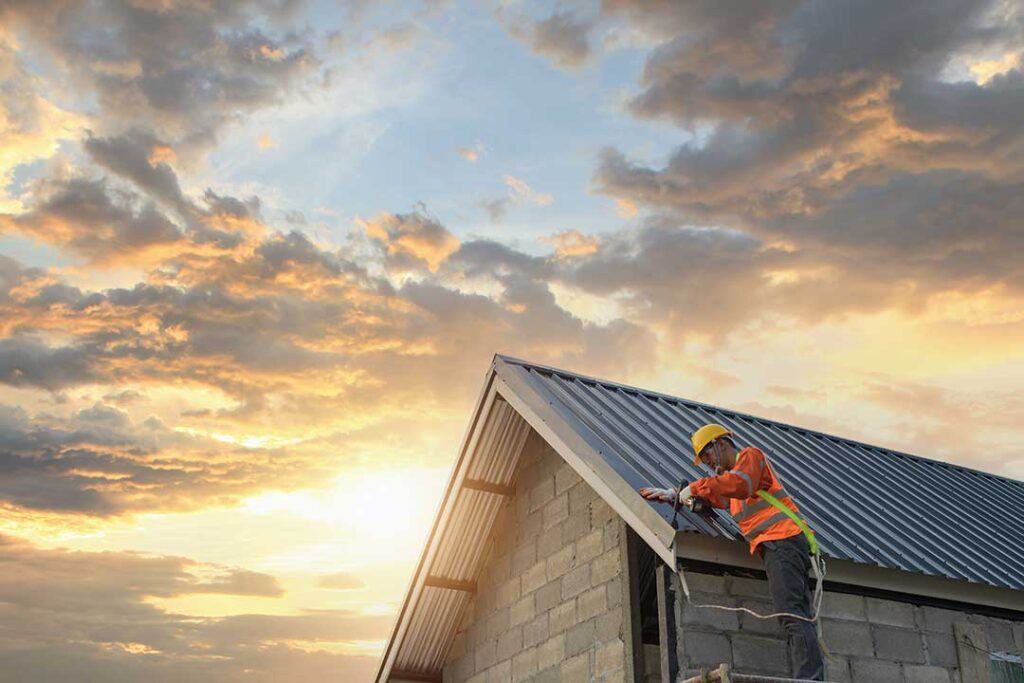
What Is a Roof Warranty and Why Does It Matter in Brattleboro, VT?
A roof warranty is a written guarantee covering repair or replacement of roofing materials and sometimes workmanship for a specific period. For Brattleboro homeowners, where roofs face seasonal temperature shifts, snow, ice, wind, and summer sun, understanding what a warranty covers can help prevent costly surprises during roof repairs or replacements.
Roof warranties differ depending on the type of shingle or roofing system installed and the specifics of your contractor’s work. These documents spell out who is responsible if your roof develops a problem—whether it's from faulty materials or improper installation.
What Are the Main Types of Roof Warranties Local Homeowners Encounter?
Most commonly, local households encounter two main warranty types:
- Manufacturer’s Warranty: Covers defects in roofing materials, such as shingles, underlayment, or membrane. These are typically included when you buy new roofing materials.
- Workmanship (Labor) Warranty: Provided by the contractor, this warranty covers installation errors or faulty workmanship.
Some roofing systems also offer enhanced warranties blending material and installation coverage if certain conditions are met (such as using only specific products from a manufacturer).
How Long Do Roof Warranties Typically Last?
Manufacturers’ warranties for asphalt shingles—the most common roofing material in the area—often advertise coverage from 20 years to “lifetime,” which is generally defined as the duration a single homeowner occupies the property.
- Standard asphalt shingles: 20–30 years limited material warranty
- Architectural shingles: May carry longer or “lifetime” material guarantees
- Metal, rubber, or specialty roofs: Often 30–50 years, but terms and scope may differ
Workmanship warranties are shorter: most range from 1 to 10 years, depending on the contractor.
It’s important to read the details. “Lifetime” rarely means unlimited and often comes with pro-rated terms that may reduce coverage as the roof ages.
What Do Roof Warranties Typically Cover—And Exclude?
Warranties protect against specific problems:
- Most manufacturer warranties cover material defects, such as blistering, splitting, or granule loss.
- Workmanship policies generally cover problems caused by mistakes during installation—like leaks due to misaligned shingles or poor flashing.
Common exclusions are easy to overlook:
- Damage from improper installation (unless covered by a contractor warranty)
- Wind, hail, or ice dam damage beyond stated limits
- Poor attic ventilation or insufficient maintenance
- Roof modifications, such as satellite dish installation or solar panels, unless done to specification
For local residents, weather-related exclusions can be especially relevant, as heavy, wet snowfalls, ice dams, or strong wind gusts do occasionally stress local roofs. Many warranties set a wind speed limit for covered damage, so knowing the typical weather risks in Brattleboro helps make sense of your coverage.
What Voids a Roof Warranty?
A common misunderstanding is that all repairs or changes automatically void warranties, but the reality is more nuanced. Warranties may be voided by:
- Using non-approved materials or mixing brands in a roofing system
- Repair work by non-authorized individuals or companies
- Failing to ventilate or maintain the roof properly (including clearing debris and gutters)
- Installing new equipment that penetrates the roof without following approved procedures
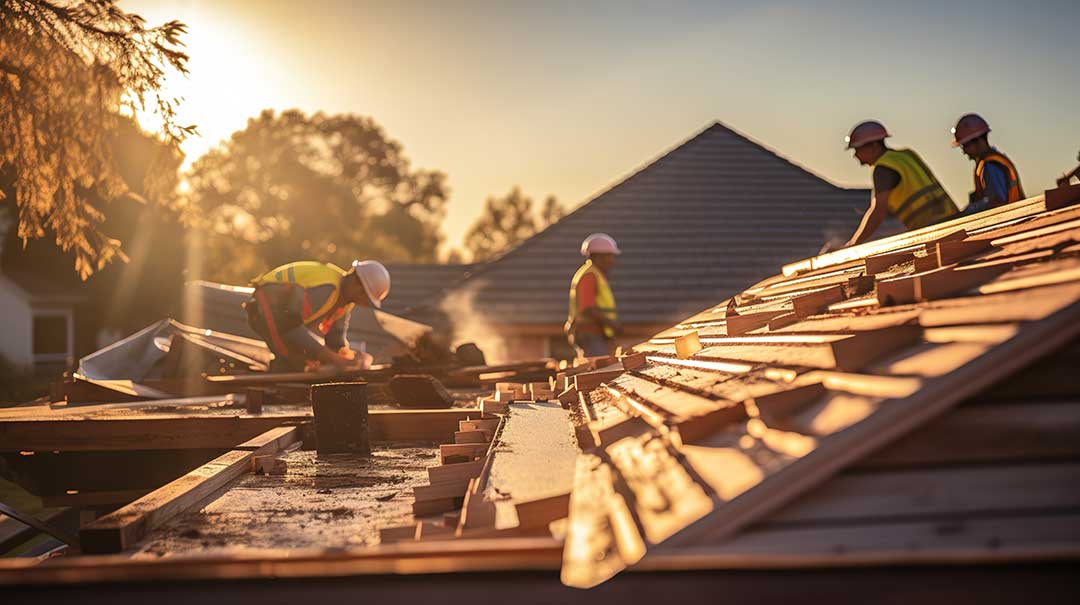
Brattleboro’s seasonal tree debris and heavy winter snow make regular roof and gutter maintenance especially important; neglecting this can void coverage.
How Do You Make a Roof Warranty Claim?
Start by reviewing the warranty documents. Claims usually require:
- Proof of purchase or installation contract
- Evidence of regular maintenance
- Photos and documentation of the problem area
For material defects, begin with the manufacturer. For installation issues, contact the contractor responsible for the initial work.
It's helpful to keep a simple log of roof inspections, repairs, and cleaning. In Brattleboro’s climate, where fall leaves and ice can impact roofing, documented maintenance is especially persuasive if a claim is contested.
What Is “Pro-Rated” Coverage and How Does It Affect Local Residents?
Many roofing warranties shift from full coverage to pro-rated after a set period. In pro-rated warranties, the manufacturer or contractor pays a decreasing portion of repair or replacement costs as the roof ages.
For example, a common shingle warranty might provide 100% replacement for the first 10 years, then drop to 80% in year 11, and so forth. Area homeowners close to the pro-rated start of their warranties should check costs before proceeding with repairs.
What Local Factors Affect Roof Warranty Coverage?
Brattleboro’s unique weather patterns—icy winters, heavy leaf fall, and spring freeze-thaw cycles—can increase roof stress. Moisture management (ventilation and drainage) and snow removal are crucial; warranties often require proof of regular attention to these issues.
Houses in wooded neighborhoods or with steep roofs may be more likely to encounter shingle damage or clogged valleys, so property-specific risks should inform warranty expectations.
What Are Common Misconceptions About Roof Warranties?
Several assumptions trip up local residents:
- Believing “lifetime” means indefinite, complete coverage—most have limits and exclusions.
- Assuming all weather-related damage is automatically covered. Most warranties have strict storm, hail, or ice dam clauses.
- Thinking regular roof cleaning isn’t necessary—neglect can void both material and labor warranties.
- Ignoring the specifics on roof alterations, like solar panels or antennas.
By reading the fine print and understanding the real-world circumstances that affect roofing in Brattleboro, area households can make better long-term decisions about their home’s protection.