

 See My Latest Article on HelloNation

How Often Should Residents Inspect Their Roof?
A thorough visual inspection of your roof twice a year—typically in the spring and fall—helps catch many common problems early. Brattleboro’s weather swings, including heavy winter snow and summer rain, can stress roofing materials and create opportunities for leaks or damage. Consider adding quick checks after major storms as well.
When inspecting from the ground or a stable ladder (never from on top of the roof, unless familiar with safe practices), look for:
- Loose, missing, or curled shingles
- Granule build-up in gutters (suggesting shingle wear)
- Rust or gaps on flashing (the metal around chimneys, vents, or valleys)
- Moss or algae build-up
- Sagging areas or signs of water pooling
Most issues are visible from the roof’s edge or by using binoculars. Avoid walking on steep or slippery roofs.
What Are Common Roof Problems Local Households Should Watch For?
Roofs in Brattleboro tend to face a few recurring problems, especially after cold, wet winters or periods of wind and debris. Ice dams—caused by melting and refreezing snow—frequently affect older or poorly ventilated roofs. These can push water under shingles and cause leaks.
Other issues to look out for:
- Damage from falling branches
- Blocked gutters causing water to overflow and attack the eaves and fascia
- Flashing around chimneys and vent pipes peeling up or separating
- Moss and algae growth, encouraged by shaded, damp conditions often found in neighborhoods bordered by trees
Ignoring small problems, like a single missing shingle, can lead to larger and costlier repairs.
How Can Residents Clean Gutters and Downspouts Effectively?
Gutter maintenance is one of the simplest yet most crucial roof-related tasks. Clean gutters allow water to flow safely off the roof and away from the foundation, protecting siding, landscaping, and basements from overflow.
Use these steps:
1. Set up a stable ladder on flat ground; consider using ladder stabilizers.
2. Wear sturdy gloves to remove leaves, twigs, and debris by hand.
3. Flush gutters and downspouts with a hose. If water doesn’t flow freely, use a plumber’s snake to clear blockages in downspouts.
4. Check for leaks or weak spots in the gutter and make minor repairs with gutter sealant.
Late fall and early spring are the most common times for clogs in the community, when tree debris is abundant.
Are There Safe Ways to Remove Moss and Algae?
Moss and algae, common on shaded or north-facing slopes, can shorten the roof’s lifespan by trapping moisture and lifting shingles. Residents can safely address light growth with a long-handled brush (never a pressure washer, which can damage shingles).
For moderate cleaning:
- Mix a gentle solution—one part water and one part white vinegar or a small amount of mild detergent.
- Gently brush the growth away, rinsing lightly with water.
- Trim tree branches overhanging the roof to increase sunlight and airflow, helping prevent regrowth.
Avoid bleach or harsh chemicals, which can damage shingles and landscaping.
Which DIY Repairs Are Reasonable for Most Homeowners?
Minor tasks like replacing a few damaged shingles, patching small nail holes with roofing cement, or resetting loose flashing can often be handled yourself if comfortable with basic tools and working on a ladder. Always prioritize safety: only attempt repairs from solid footing and avoid work when the roof is wet or icy.
When in doubt—especially if the roof is steep, high, or has structural sagging—it’s safer to monitor and keep an eye out for further issues, rather than risking injury.
What Should Residents Do After a Heavy Storm?
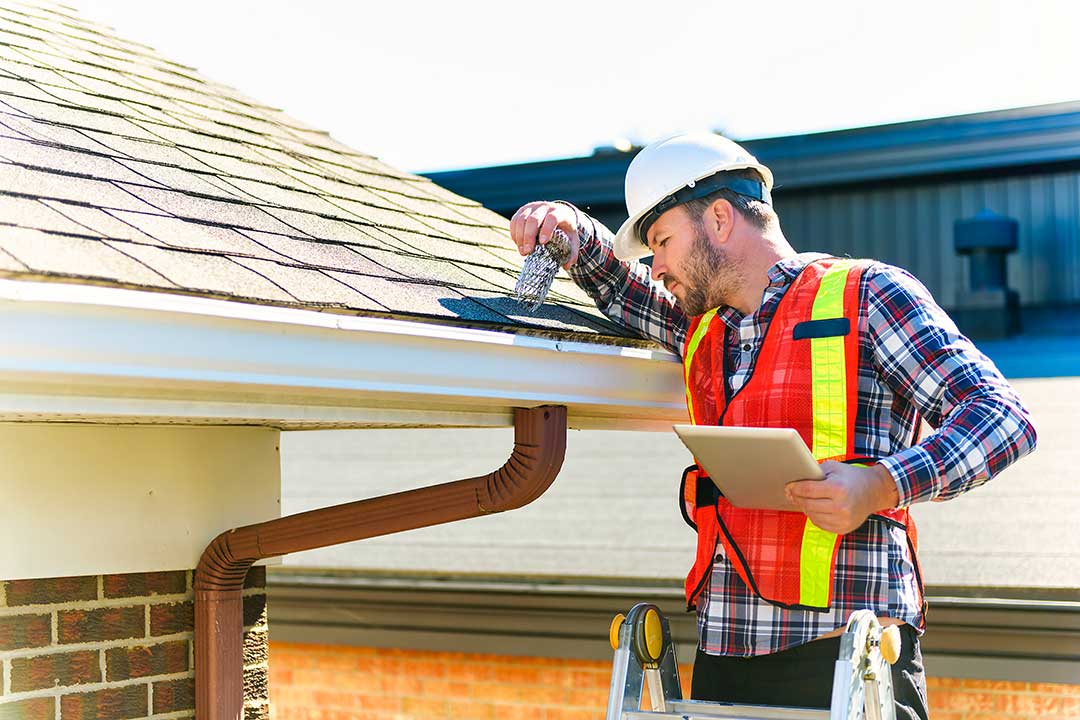
Storms with high winds or hail frequently cause hidden roof damage that isn’t obvious until it leads to leaks weeks or months later. After a storm, residents should:
- Walk the property and check for shingles, metal flashing, or roof debris on the ground
- Look for dark patches, bruised shingles, or dented metal elements
- Inspect the attic for new drips, stains, or damp insulation
Prompt cleanup of minor debris, plus thorough recordkeeping (photos, notes) of any newly discovered damage, can support future maintenance decisions.
What Are the Most Overlooked Roof Maintenance Tasks?
While most residents think of shingle condition and gutters, there are a few tasks that often go unnoticed:
- Regularly checking attic ventilation: Blocked vents raise moisture and heat levels, speeding roof material deterioration.
- Inspecting the underside of the roof in the attic for dampness, mold, or daylight showing through cracks.
- Keeping roofing valleys clear—these are critical drainage routes prone to clogging with pine needles or leaf litter.
- Clearing snow buildup promptly, especially after heavy storms, prevents ice dams and excess weight from stressing the roof’s structure.
Proactive attention to these less-visible factors supports longer roof life and helps prevent leaks from developing unnoticed.
Are There Safety Risks in DIY Roof Maintenance?
Yes—safety should always be the top concern. Roof work, even minor, involves fall risks, especially on older or multi-story homes. Residents should:
- Never work alone—always let someone know when roof maintenance is underway
- Avoid roof work in wet, windy, or icy conditions
- Use solid, non-slip footwear and a properly placed ladder
- Be cautious around overhead lines or antennas
If a roof’s pitch is steep, if structural problems are suspected, or if the work involves electrical attachments, it’s generally best to stick to ground-based inspections or consult with experienced neighbors or local resources.